
- Home page
- buying guide
- lancet
lancet
lancet: A technical guide
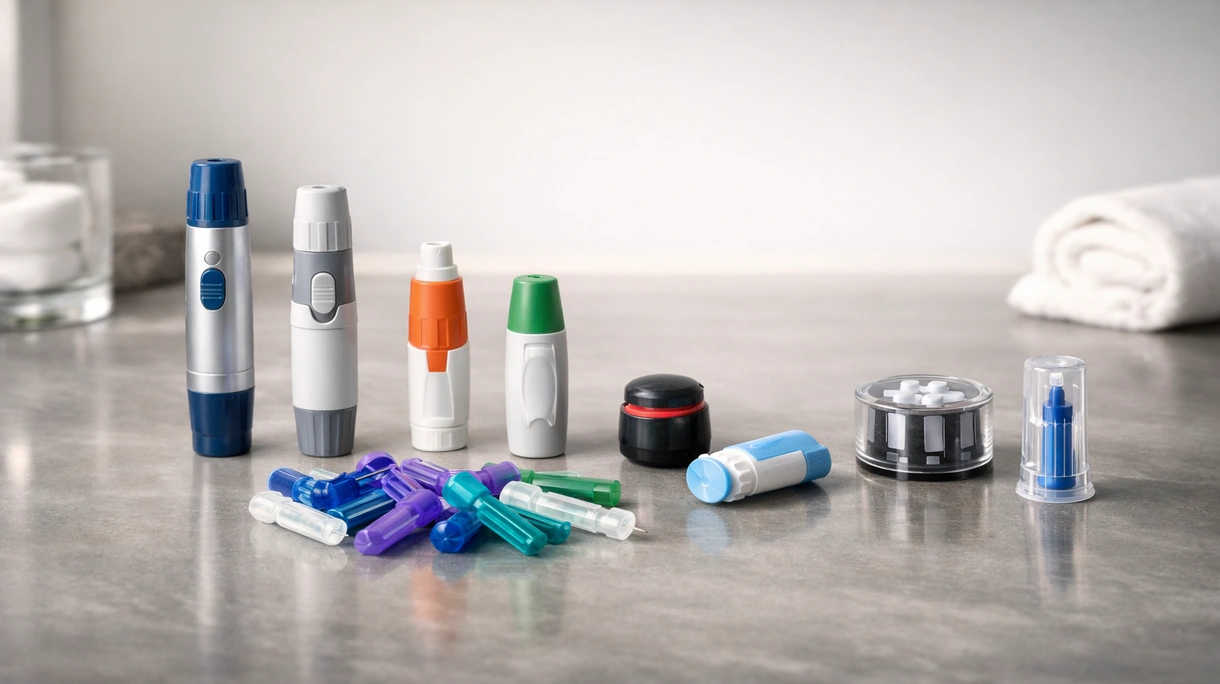
4 Criteria to choose your lancet
Safety mechanism reliability
Passive activation prevents needle-stick injuries by shielding the point after use, ensuring compliance with global OSHA safety standards.
Penetration depth precision
Adjustable or fixed depth settings minimize tissue trauma while ensuring sufficient blood volume for various diagnostic testing requirements.
Needle gauge clinical suitability
Selecting the correct diameter reduces patient discomfort and prevents hemolysis, essential for accurate laboratory results and diagnostics.
Regulatory compliance certification
Mandatory adherence to FDA and CE marking ensures product safety, sterility, and performance across diverse clinical environments.
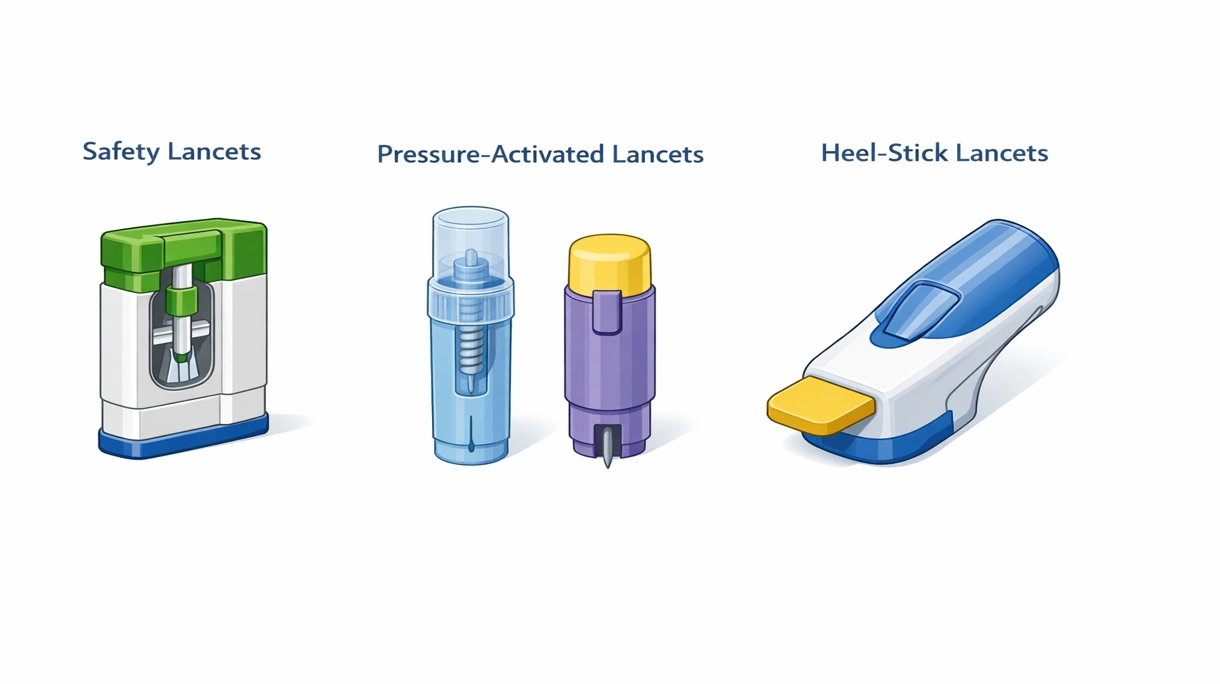
Available technologies and advantages
Safety lancets
Integrated needle retraction systems eliminate accidental punctures and cross-contamination risks but increase total procurement costs and biological waste volume.
Pressure-activated lancets
Pre-loaded spring mechanisms ensure consistent depth and ease of use, although they lack the customization features of manual designs.
Heel-stick lancets
These specialized devices provide superior blood flow for neonates while preventing bone injury, yet they require specific clinician training for correct orientation.
6 expert tips
Prioritize automated safety lancets to reduce needle-stick injury liability and lower long-term insurance premiums for the healthcare facility.
Evaluate the cost per successful blood draw rather than unit price to account for clinical efficiency and waste management.
Standardize needle gauges across departments to streamline procurement processes and ensure consistent sample quality for clinical laboratory analysis.
Select lancets with ultra-thin siliconized needles to enhance patient comfort and improve satisfaction scores in outpatient care units.
Verify that all capillary sampling devices meet the specific blood volume requirements for specialized point-of-care diagnostic testing equipment.
Always verify the technical certification to ensure compliance with local building safety standards and long-term durability.
Innovations and Trends
Utilize painless penetration techniques to improve patient compliance and enable frequent monitoring in pediatric clinical populations.
Eliminates physical needles entirely, reducing biological waste while providing high-precision skin perforation for blood sampling.
Incorporate biodegradable plastics into safety lancet housing to minimize the environmental footprint of medical consumables.
Combine the lancet and test strip into a single device to simplify the diagnostic clinical workflow.
*Prices are pre-tax. They exclude delivery charges and customs duties and do not include additional charges for installation or activation options. Prices are indicative only and may vary by country, with changes to the cost of raw materials and exchange rates.
About MedicalExpo
MedicalExpo is a marketplace that offers B2B players a complete experience, from product sourcing to purchase. MedicalExpo is an entity of VirtualExpo Group.
Are you a buyer?
Are you a supplier?