
- Home page
- buying guide
- stretcher trolley
stretcher trolley
stretcher trolley: A technical guide
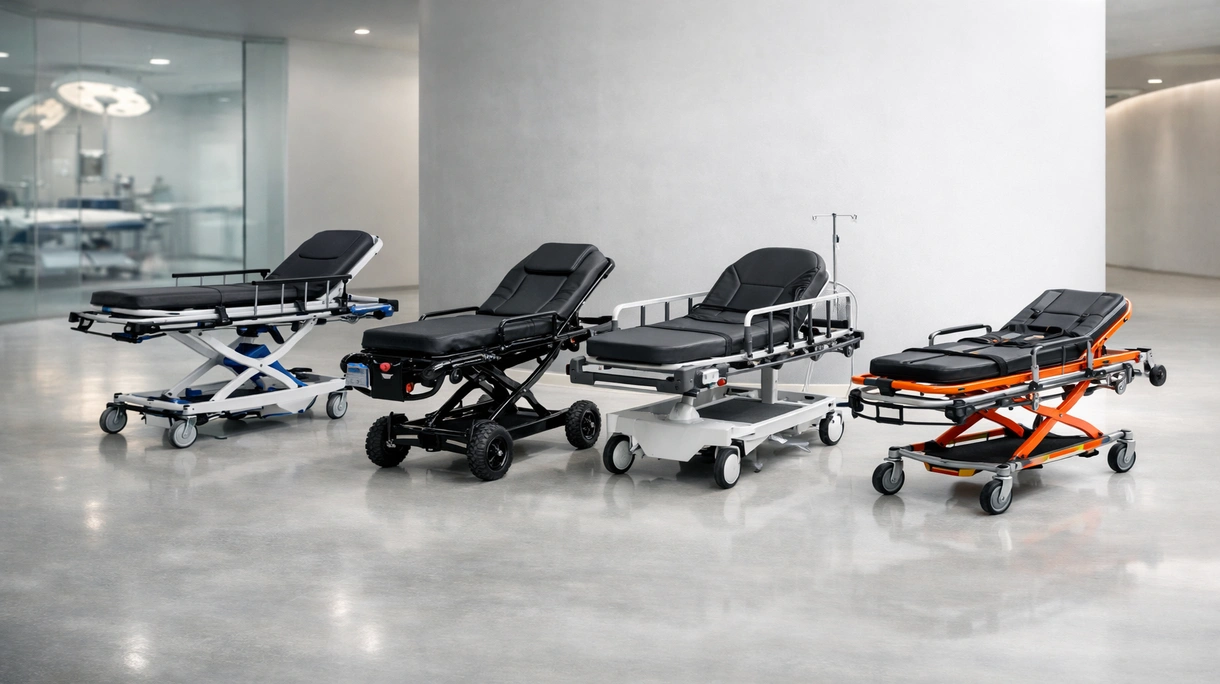
4 Criteria to choose your stretcher trolley
Hydraulic height adjustment range
Enables ergonomic patient transfers and clinical access, reducing musculoskeletal strain for staff while ensuring safe patient ingress and egress.
Radiolucent platform material quality
Facilitates immediate imaging without patient repositioning, streamlining emergency diagnostics and ensuring continuous monitoring during critical trauma interventions.
Centralized steering and braking
Enhances maneuverability in tight clinical corridors and ensures instant immobilization during procedures, improving transit safety and operational efficiency.
Pressure redistribution surface compatibility
Minimizes hospital-acquired pressure injuries during prolonged transport or emergency boarding, aligning with clinical safety protocols and outcomes.
Available technologies and advantages
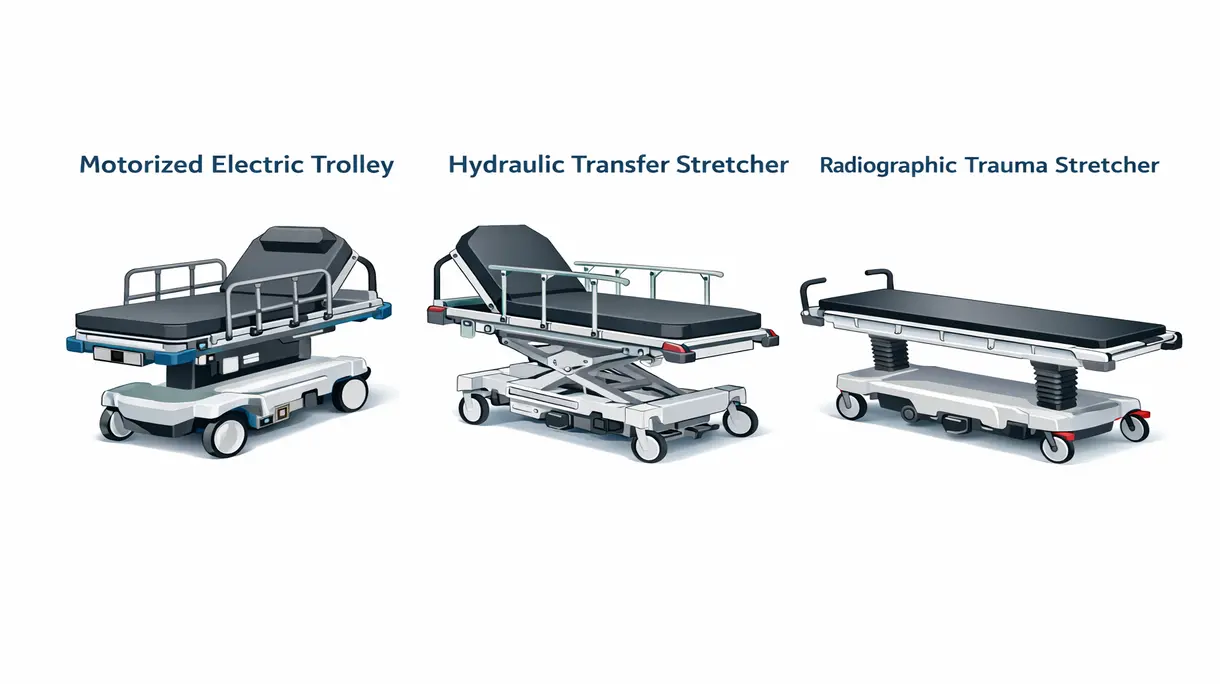
Motorized Electric Trolleys
Integrated battery systems power motorized drive and positioning, reducing staff strain and enhancing precision, though they require consistent charging cycles and higher capital investment.
Hydraulic Transfer Stretchers
Manual hydraulic systems offer reliable height adjustment without electrical reliance, balancing durability with low maintenance costs while requiring significant physical effort for high-volume patient transit.
Radiographic Trauma Stretchers
Full-length radiolucent decks allow immediate imaging access, optimizing trauma workflows and diagnostic speed, although these units often sacrifice structural weight capacity for specialized equipment clearance.
6 expert tips
Prioritize motorized drive systems for trauma centers to mitigate injury risks and accelerate emergency patient transit times. Always verify the technical certification to ensure compliance with local building safety standards and long-term durability.
Select auxiliary wheel steering to ensure precise navigation through narrow clinical hallways and crowded surgical suite recovery corridors. Always verify the technical certification to ensure compliance with local building safety standards and long-term durability.
Evaluate high-density antimicrobial mattress materials to maximize infection control efficacy and prevent cross-contamination within sterile hospital wards. Always verify the technical certification to ensure compliance with local building safety standards and long-term durability.
Verify compatibility with intensive care monitoring equipment to ensure seamless patient transitions between the emergency room and units. Always verify the technical certification to ensure compliance with local building safety standards and long-term durability.
Invest in units featuring bilateral pedal braking to enhance clinician ergonomics and ensure immediate stability during critical bedside procedures. Always verify the technical certification to ensure compliance with local building safety standards and long-term durability.
Standardize fleet dimensions across departments to simplify inventory management and ensure uniform maintenance procedures for hospital technical teams. Always verify the technical certification to ensure compliance with local building safety standards and long-term durability.
Innovations and Trends
Onboard scales provide instant patient weight data for accurate medication dosing, eliminating risks associated with manual transfer. (19 words)
Advanced rail mechanisms eliminate dangerous spaces during lateral transfers, significantly reducing patient fall risks in high-acuity environments. (19 words)
Manufacturers utilize recyclable materials with permanent antimicrobial properties to meet strict environmental regulations and infection control standards. (18 words)
Engineering frames to withstand high-pressure chemical mists ensures compliance with emerging hygiene protocols in rapid-turnover clinical settings. (19 words)
*Prices are pre-tax. They exclude delivery charges and customs duties and do not include additional charges for installation or activation options. Prices are indicative only and may vary by country, with changes to the cost of raw materials and exchange rates.
About MedicalExpo
MedicalExpo is a marketplace that offers B2B players a complete experience, from product sourcing to purchase. MedicalExpo is an entity of VirtualExpo Group.
Are you a buyer?
Are you a supplier?