
- Home page
- buying guide
- electric stimulator
electric stimulator
electric stimulator: A technical guide
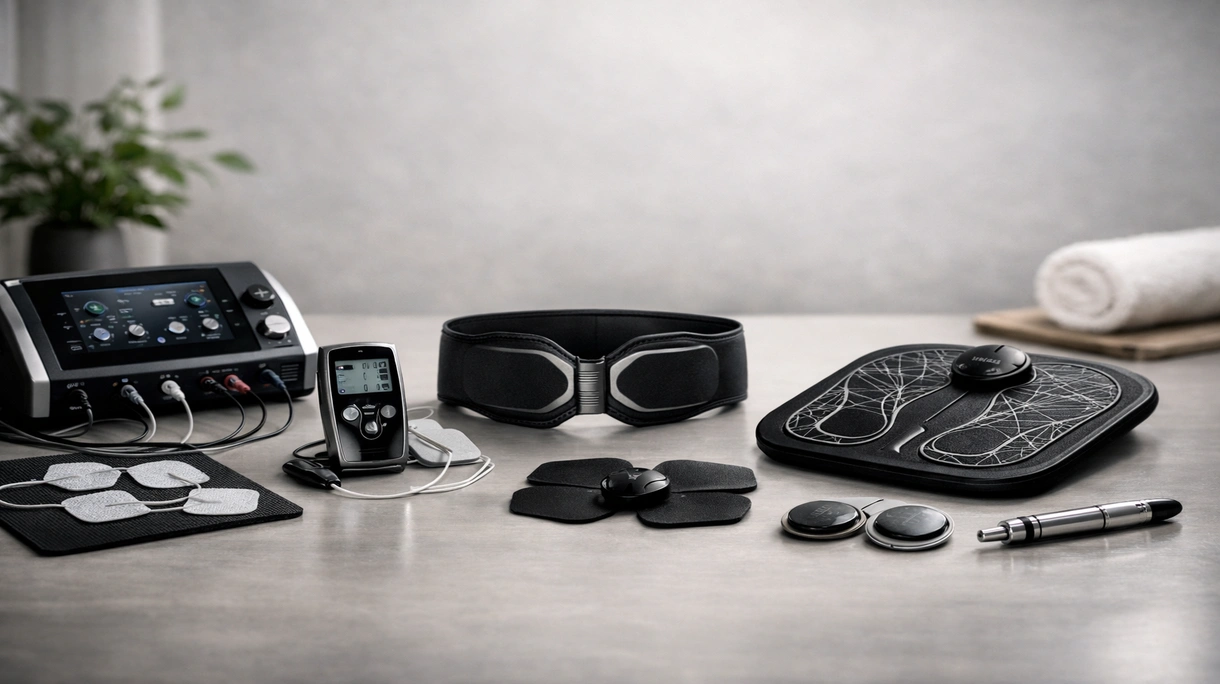
4 Criteria to choose your electric stimulator
Clinical Protocol Customization Range
Extensive programming options ensure precise treatment parameters for diverse neuromuscular pathologies, optimizing patient outcomes in specialized rehabilitation facilities.
Waveform Precision and Stability
Advanced circuitry maintains constant current output despite skin impedance variations, preventing patient discomfort and ensuring therapeutic safety during sessions.
Regulatory Medical Grade Compliance
Mandatory medical certification guarantees electromagnetic compatibility and electrical safety for clinical environments according to strict regional healthcare regulatory standards.
Battery Performance and Autonomy
Long-lasting lithium batteries with rapid charging cycles support high-volume patient throughput in busy clinics without operational downtime or interruptions.
Available technologies and advantages
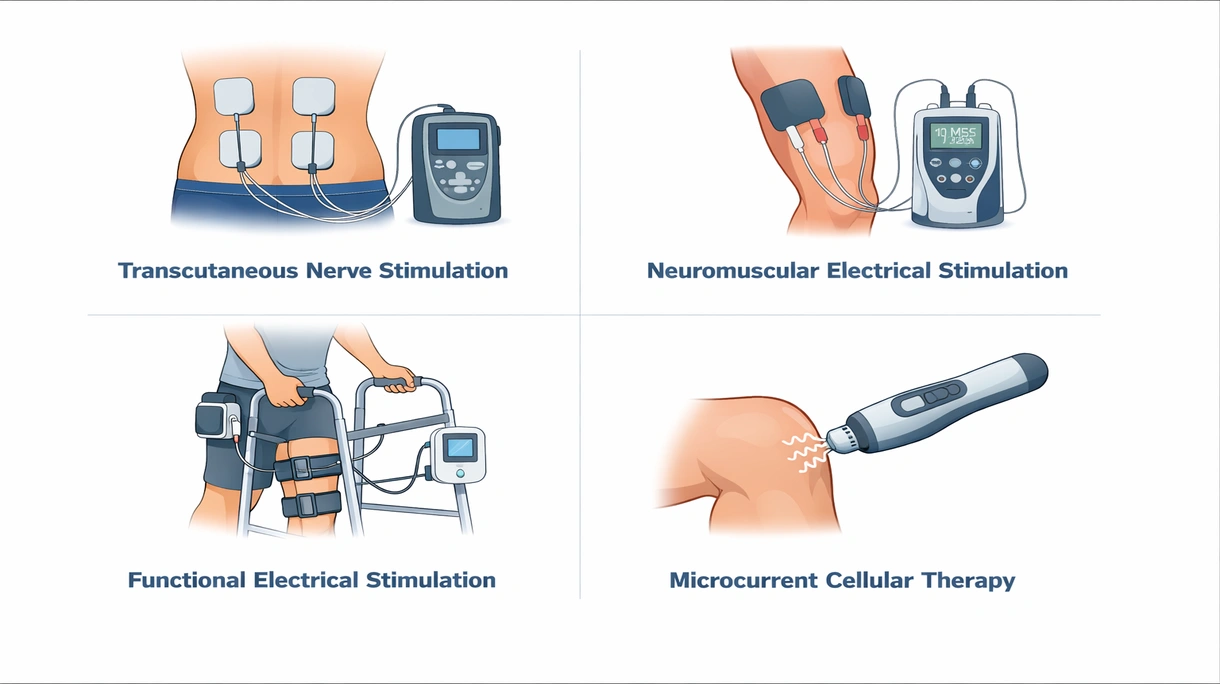
Transcutaneous Nerve Stimulation Technology
Transcutaneous Electrical Nerve Stimulation focuses on sensory nerve excitation to block pain signals through the gate control theory mechanism while providing non-invasive analgesic relief for patients. Benefits include portability and patient comfort, but clinical trade-offs involve lack of motor recruitment and short-term analgesic efficacy compared to therapeutic interventions.
Neuromuscular Electrical Stimulation
Neuromuscular systems deliver high-intensity pulses to motor neurons to provoke deep muscle contractions for atrophy prevention and intensive physical rehabilitation within controlled clinical environments. This modality excels in motor recovery but poses risks of rapid muscle fatigue, requiring precise duty cycle management to balance strengthening with metabolic recovery.
Functional Electrical Stimulation
Functional systems integrate electrical pulses with task-oriented movements to restore mobility and coordination for patients suffering from complex central nervous system lesions or paralysis. The primary advantage is functional neuroplasticity enhancement, though operational trade-offs include high equipment costs and the necessity for advanced therapist training and setup.
Microcurrent Cellular Therapy
Microcurrent devices utilize sub-sensory electrical currents to mimic endogenous bioelectricity for accelerating tissue repair and reducing localized inflammation at the cellular level during clinical recovery phases. While promoting rapid healing and skin rejuvenation, the absence of physical sensation limits immediate patient feedback, necessitating clinical monitoring to ensure proper functionality.
6 expert tips
Select multi-channel units with independent intensity controls to allow simultaneous treatment of multiple muscle groups for clinical efficiency.
Invest in systems offering wireless electrode connectivity to enhance patient mobility and eliminate cable management issues in clinics.
Prioritize devices featuring pre-calibrated clinical protocols to reduce therapist setup time and minimize human error during treatment.
Choose manufacturers providing comprehensive on-site clinical training to ensure medical staff maximize the device advanced therapeutic capabilities.
Evaluate the cost of proprietary versus universal consumables to ensure sustainable long-term operational budgets for the rehabilitation department.
Always verify the technical certification to ensure compliance with local building safety standards and long-term durability.
Innovations and Trends
Utilizes real-time muscle activity data to adjust stimulation intensity automatically, significantly enhancing personalized rehabilitation precision and safety.
Analyze patient recovery trends to optimize frequency and pulse width, improving clinical outcomes through data-backed decisions.
Enables remote tracking of home-use stimulators, ensuring therapeutic compliance and allowing timely clinician interventions via telemetry.
Eliminate the need for conductive gels, simplifying the hygiene process and reducing operational costs per session.
*Prices are pre-tax. They exclude delivery charges and customs duties and do not include additional charges for installation or activation options. Prices are indicative only and may vary by country, with changes to the cost of raw materials and exchange rates.
About MedicalExpo
MedicalExpo is a marketplace that offers B2B players a complete experience, from product sourcing to purchase. MedicalExpo is an entity of VirtualExpo Group.
Are you a buyer?
Are you a supplier?