
- Home page
- buying guide
- electric wheelchair
electric wheelchair
electric wheelchair: A technical guide
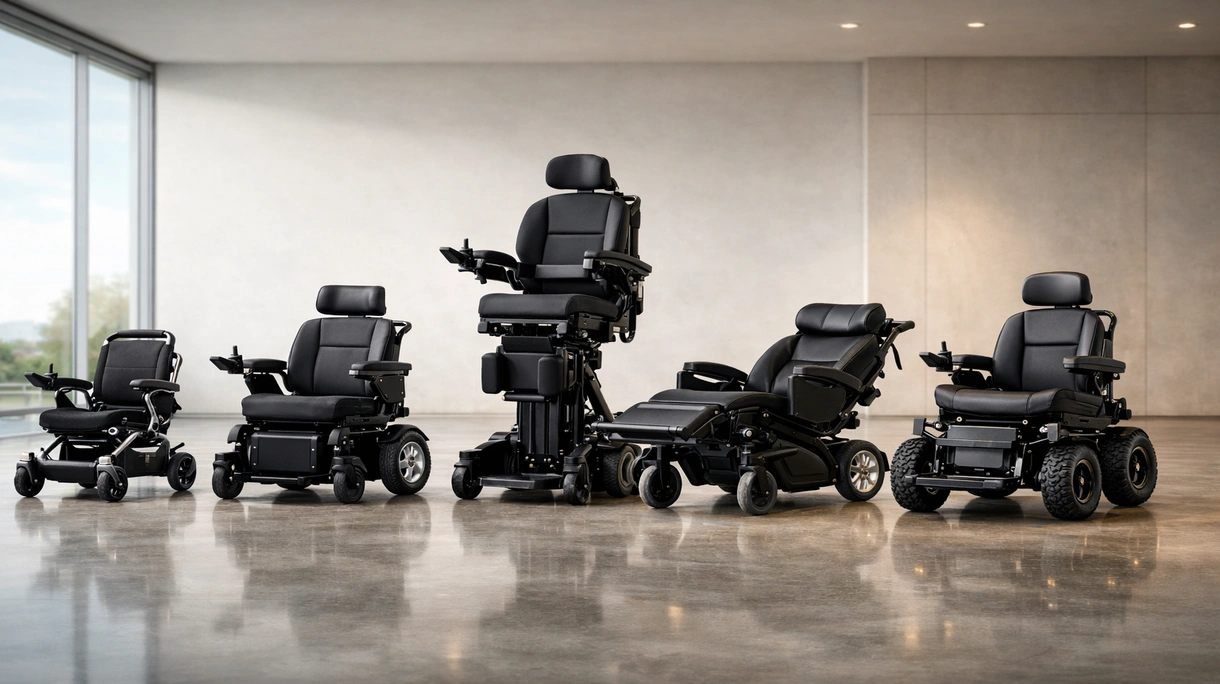
4 Criteria to choose your electric wheelchair
Clinical Pressure Management Systems
Ensures skin integrity and prevents decubitus ulcers through automated tilt-in-space and pressure-relieving seat materials for high-dependency patients.
Adaptive Control Interface Versatility
Integration of alternative drive controls like head-array or sip-and-puff is vital for users with severe neuromuscular limitations.
High Capacity Power Systems
High-capacity lithium-ion cells with fast-charging capabilities ensure continuous operation within hospital facilities and during extensive outdoor transport.
Modular Chassis Maneuverability
Mid-wheel drive configurations provide the smallest turning radius, which is essential for navigating tight clinical corridors and elevators.
Available technologies and advantages
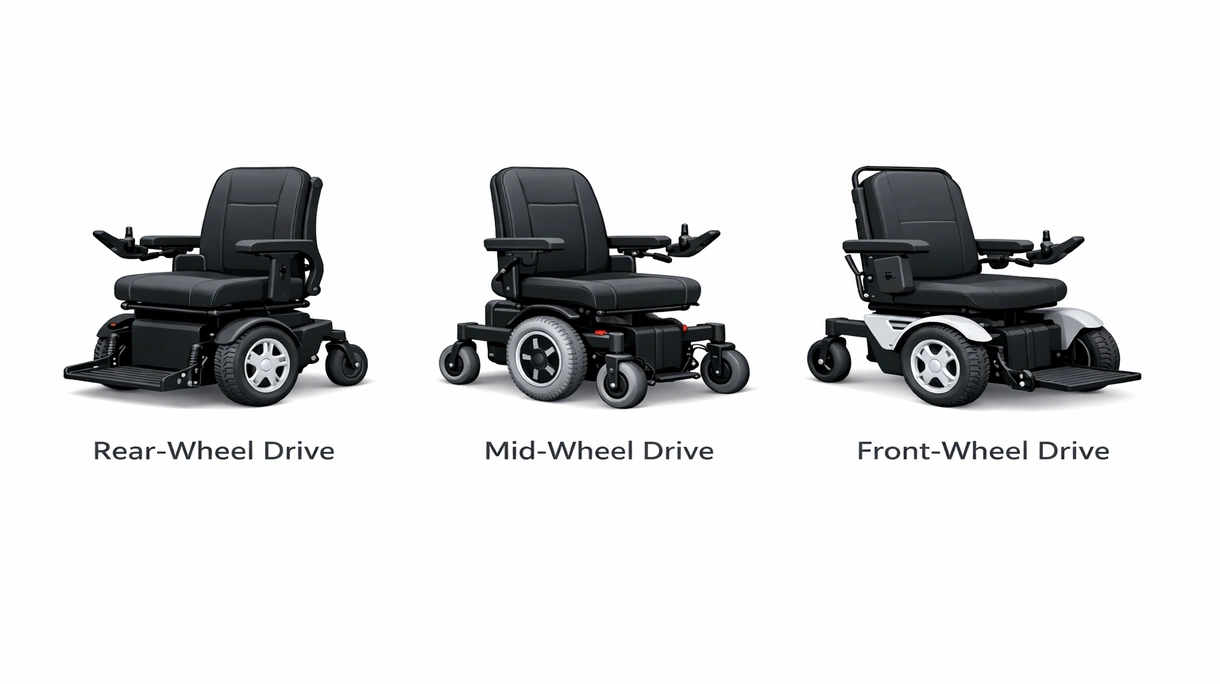
Rear-Wheel Drive Platforms
This traditional configuration offers superior stability and tracking during high-speed travel but lacks the tight agility needed indoors. This design balances mechanical simplicity with durability for long-term use.
Mid-Wheel Drive Systems
Featuring a central drive wheel with six points of contact, this technology maximizes indoor maneuverability through a zero-turn radius. This provides exceptional agility for facility navigation but lacks outdoor traction.
Front-Wheel Drive Architectures
Strategic positioning of drive wheels at the front allows for excellent obstacle climbing and close proximity to desks. This architecture optimizes functional independence in diverse settings through advanced tracking.
6 expert tips
Prioritize FDA Class II or MDR Class I certified models to ensure compliance with international patient safety and performance.
Select lithium-ion power systems to reduce long-term maintenance costs and improve operational uptime in intensive clinical rehabilitation settings.
Invest in modular seating systems that allow for future adjustments as patient anthropometrics or clinical needs evolve over time.
Verify the availability of local technical support and spare parts to minimize equipment downtime and ensure continuous patient mobility.
Evaluate the integration capabilities with existing hospital fleet management software to track battery health and device utilization patterns.
Confirm the maximum weight capacity exceeds standard requirements to accommodate bariatric patients safely while maintaining motor performance and durability.
Always verify the technical certification to ensure compliance with local building safety standards and long-term durability.
Innovations and Trends
Implementation of obstacle detection and autonomous pathfinding reduces collision risks for patients with significant cognitive or visual impairments.
Remote diagnostic platforms enable real-time monitoring of motor efficiency and battery health to facilitate proactive preventative maintenance schedules.
High-efficiency energy recovery systems extend operational range by converting kinetic energy back into battery power during downhill travel.
Integrated sensors track heart rate and oxygen saturation levels to provide clinical data during active rehabilitation and mobility.
*Prices are pre-tax. They exclude delivery charges and customs duties and do not include additional charges for installation or activation options. Prices are indicative only and may vary by country, with changes to the cost of raw materials and exchange rates.
About MedicalExpo
MedicalExpo is a marketplace that offers B2B players a complete experience, from product sourcing to purchase. MedicalExpo is an entity of VirtualExpo Group.
Are you a buyer?
Are you a supplier?