
- Home page
- buying guide
- pediatric nebulizer
pediatric nebulizer
pediatric nebulizer: A technical guide
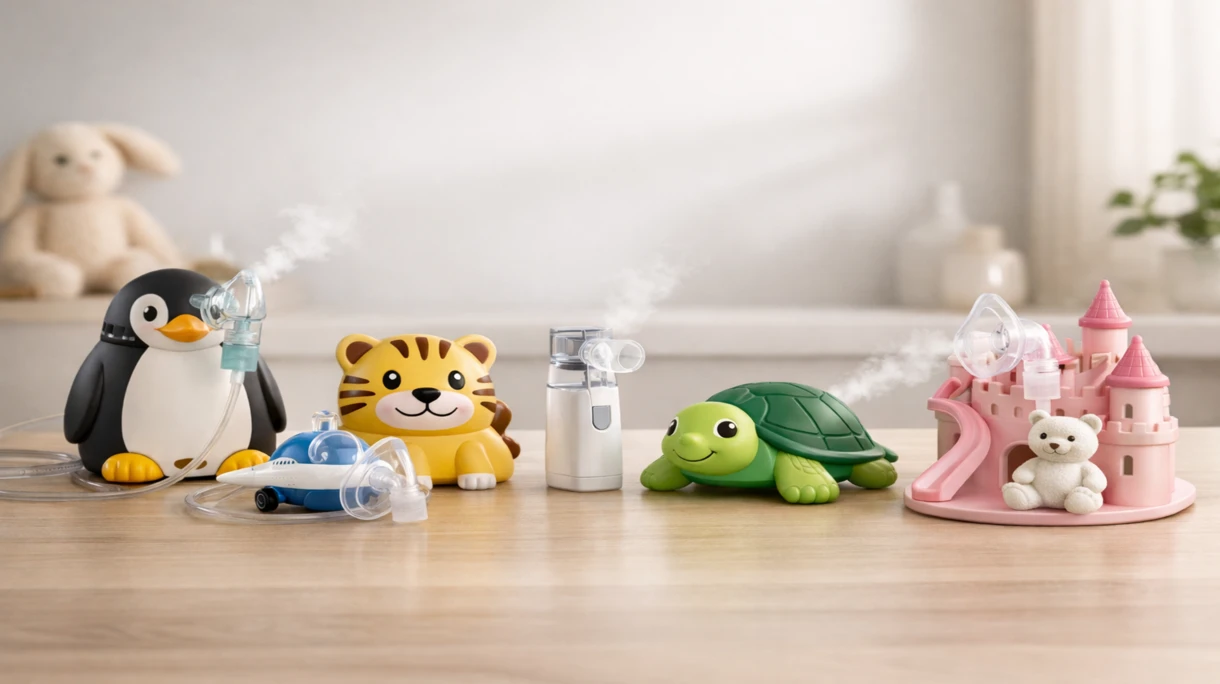
4 Criteria to choose your pediatric nebulizer
Optimal Particle Size MMAD
MMAD must remain below five microns to ensure effective drug deposition within the lower respiratory tract of pediatric patients.
Rapid Delivery Rate Efficiency
High nebulization rates reduce treatment duration which is essential for improving compliance and reducing anxiety in restless young children.
Low Operational Noise Level
Operational decibels should stay below fifty to prevent frightening patients and to allow for administration during sleep or rest.
Pediatric Specific Interface Design
Ergonomic designs and non-threatening aesthetics minimize clinical distress while ensuring a secure seal for maximum medication delivery to lungs.
Available technologies and advantages
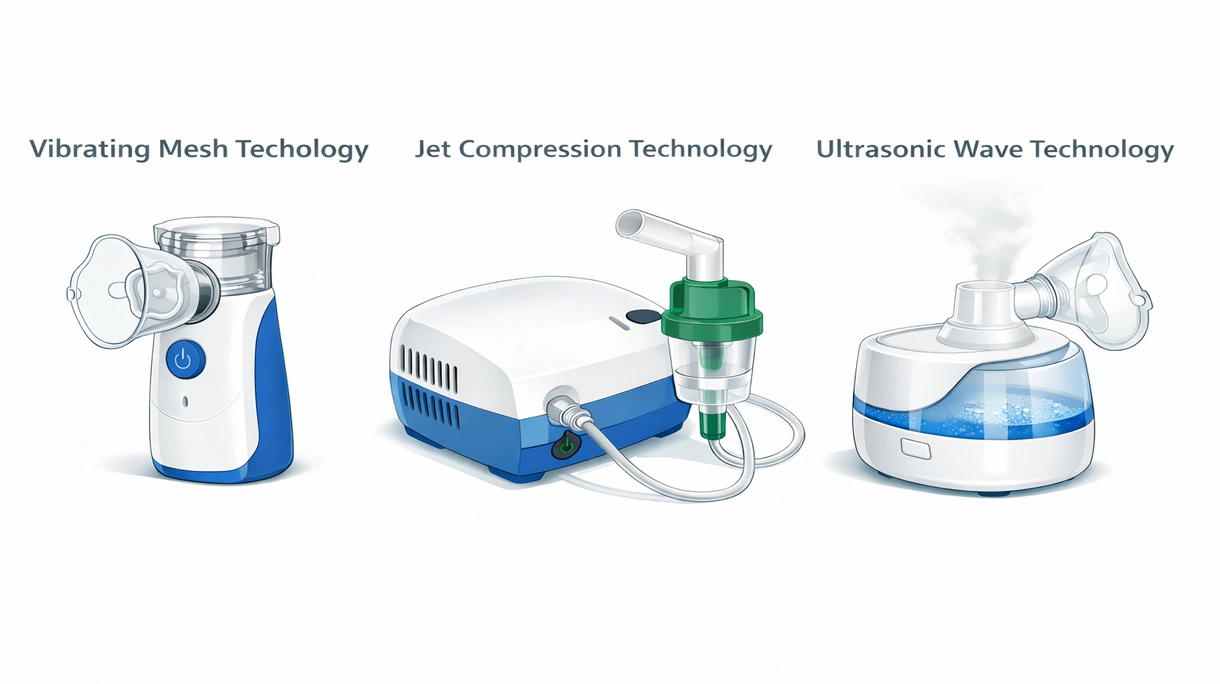
Vibrating Mesh Technology
Advanced mesh systems utilize thousands of laser-drilled holes to create high-frequency vibrations for consistent aerosol production without heating medication. These units offer silent operation and portability but require meticulous cleaning protocols to prevent clogging of the delicate mesh.
Jet Compression Technology
Standard compressor units use compressed air to atomize liquid medication into breathable particles via a high-velocity venturi effect system. This technology provides robust durability and compatibility with diverse drugs despite significant noise levels and lack of portable battery options.
Ultrasonic Wave Technology
Piezoelectric crystals generate high-frequency waves that travel through water to transfer energy and atomize the medical solution into mist. While extremely quiet and efficient for large volumes, these devices can heat medications which may degrade certain temperature-sensitive proteins.
6 expert tips
Prioritize models featuring active mesh technology to minimize residual drug volume and maximize expensive medication utilization in clinical settings.
Validate that the compressor or mesh unit meets international safety standards for hospital grade disinfection to ensure patient hygiene.
Select devices with integrated masks specifically sized for neonates and toddlers to prevent aerosol leakage into the ocular area.
Evaluate the total cost of ownership including replacement filters and medication cups to maintain long term budgetary efficiency standards.
Ensure portable units include high capacity lithium batteries to facilitate uninterrupted respiratory therapy during pediatric transport or emergency scenarios.
Choose manufacturers offering comprehensive technical support and extended warranties to guarantee equipment uptime across busy pediatric care departments.
Always verify the technical certification to ensure compliance with local building safety standards and long-term durability.
Innovations and Trends
Bluetooth enabled devices track patient adherence and provide real-time data to clinicians via cloud-based monitoring for better outcomes.
Innovative sensors trigger nebulization only during inhalation to significantly reduce medication waste and environmental exposure in wards.
New engineering techniques allow for precise control over droplet size to target specific zones within the pediatric lungs.
Evolution toward phthalate-free and latex-free components ensures compliance with increasingly stringent global safety regulations for neonatal medical devices.
*Prices are pre-tax. They exclude delivery charges and customs duties and do not include additional charges for installation or activation options. Prices are indicative only and may vary by country, with changes to the cost of raw materials and exchange rates.
About MedicalExpo
MedicalExpo is a marketplace that offers B2B players a complete experience, from product sourcing to purchase. MedicalExpo is an entity of VirtualExpo Group.
Are you a buyer?
Are you a supplier?