
- Home page
- buying guide
- laryngoscope blade
laryngoscope blade
laryngoscope blade: A technical guide
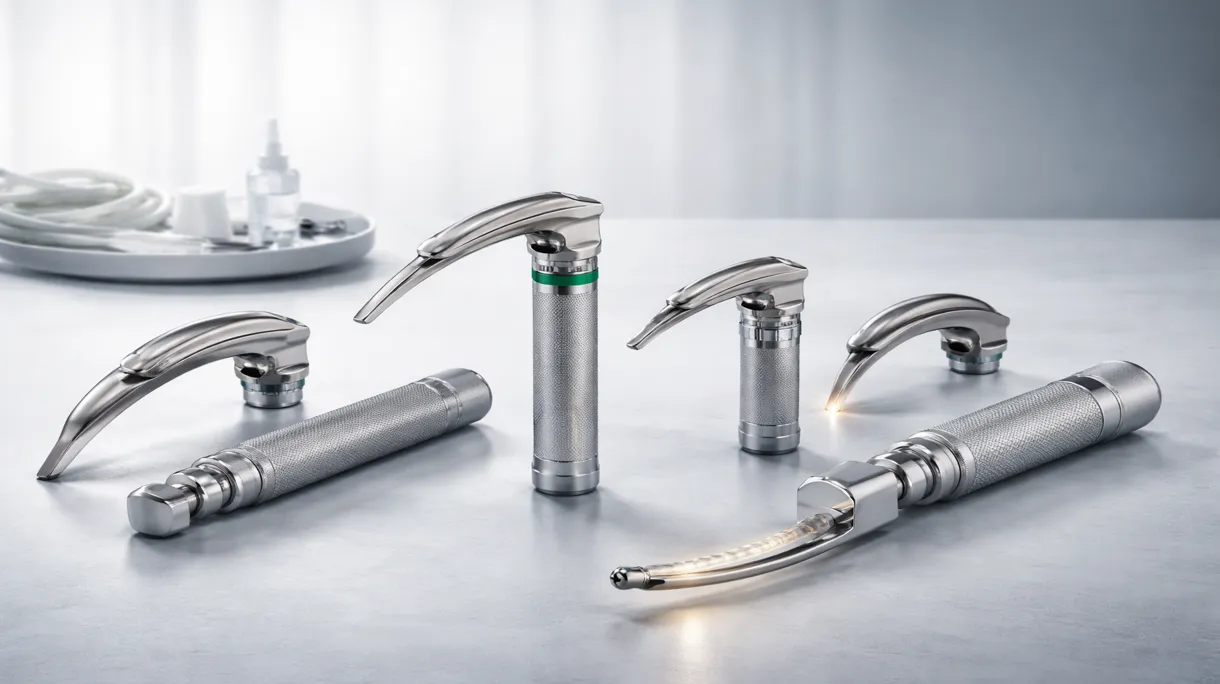
4 Criteria to choose your laryngoscope blade
Light Transmission Efficiency
High-intensity fiber optics ensure maximum glottic visibility, reducing intubation trauma risks and increasing first-pass success rates in critical care.
Blade Profile Geometry
Anatomically optimized curves like Macintosh or Miller facilitate tongue displacement and epiglottis elevation across various patient airway classifications.
Material Structural Integrity
High-grade surgical stainless steel prevents mechanical failure under leverage, ensuring patient safety during difficult airway management maneuvers.
Reprocessing and Hygiene Compatibility
Reusable blades must withstand rigorous sterilization protocols while single-use alternatives eliminate cross-contamination risks in emergency or high-turnover environments.
Available technologies and advantages
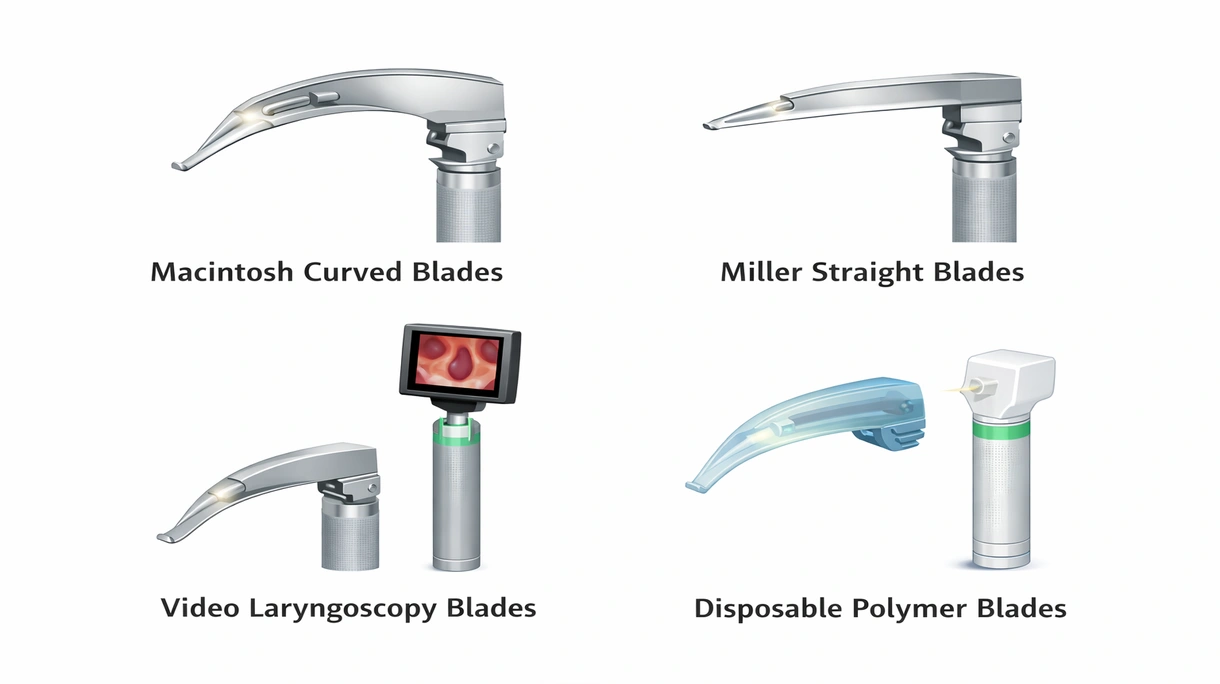
Macintosh Curved Blades
Macintosh blades utilize a curved geometry to lift the epiglottis indirectly, providing a wide view for adult intubations. They offer superior tongue control but require precise placement in the vallecula.
Miller Straight Blades
Miller designs feature a straight profile to lift the epiglottis directly, which is essential for pediatric and neonatal anatomy. While offering direct visibility, they provide less room for tube passage.
Video Laryngoscopy Blades
Integrated camera technology allows for indirect glottic visualization without requiring a direct line of sight. These facilitate difficult intubations but involve higher acquisition costs and require specialized display hardware.
Disposable Polymer Blades
Single-use plastic blades prioritize infection control and eliminate sterilization logistics in high-volume trauma centers. They are cost-effective but may lack the absolute rigidity of premium surgical grade stainless steel.
6 expert tips
Standardize blade connectors to ISO 7376 specifications to ensure cross-brand compatibility between handles and various blade types.
Prioritize fiber optic illumination systems over traditional bulbs to reduce heat generation and improve long-term bulb replacement costs.
Implement a dual-inventory strategy featuring both reusable stainless steel and single-use blades to balance cost and hygiene.
Conduct clinical performance trials focusing on tip rigidity and light intensity before committing to bulk procurement contracts.
Evaluate the total cost of ownership including sterilization cycles and specialized cleaning agents required for reusable medical devices.
Always verify the technical certification to ensure compliance with local building safety standards and long-term durability.
Innovations and Trends
Single-use video blades integrate high-definition optical sensors directly into the tip to optimize first-attempt success in emergencies.
Anti-fog coating technologies are being applied to blade surfaces to maintain clear visualization during high-humidity clinical conditions.
Eco-friendly recyclable metal alloys are replacing traditional disposable plastics to meet emerging sustainability regulations for hospital waste.
Narrow-profile blade designs are evolving to accommodate restricted oral openings, significantly improving access for geriatric airway management.
*Prices are pre-tax. They exclude delivery charges and customs duties and do not include additional charges for installation or activation options. Prices are indicative only and may vary by country, with changes to the cost of raw materials and exchange rates.
About MedicalExpo
MedicalExpo is a marketplace that offers B2B players a complete experience, from product sourcing to purchase. MedicalExpo is an entity of VirtualExpo Group.
Are you a buyer?
Are you a supplier?