
- Home page
- buying guide
- transfer chair
transfer chair
transfer chair: A technical guide
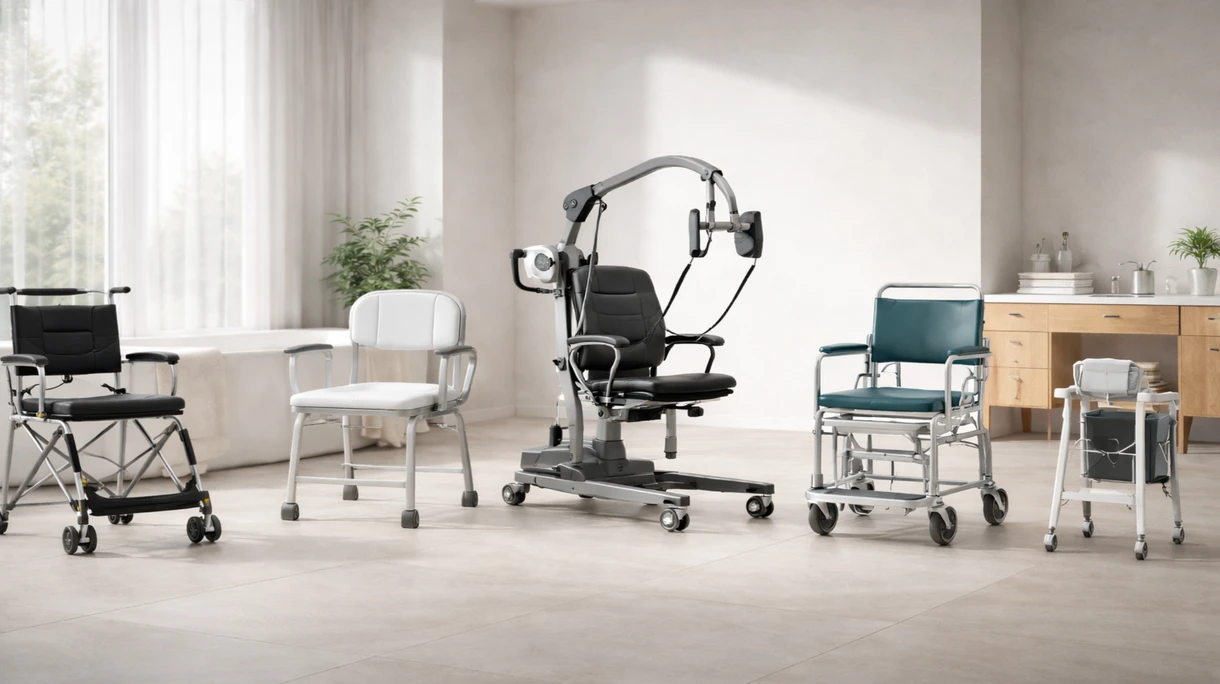
4 Criteria to choose your transfer chair
Load capacity stability.
High weight limits ensure safety during bariatric transport while minimizing tipping risks during patient ingress and egress maneuvers.
Infection prevention compliance.
Smooth, non-porous surfaces allow rapid disinfection with hospital-grade agents to prevent cross-contamination and meet strict clinical hygiene protocols.
Staff ergonomic efficiency.
Advanced caster systems and accessible braking mechanisms reduce physical strain on nursing staff while ensuring precise control in corridors.
Lateral transfer safety.
Retractable armrests and flip-up footplates facilitate lateral transfers from beds while ergonomic seating improves the patient experience during transit.
Available technologies and advantages
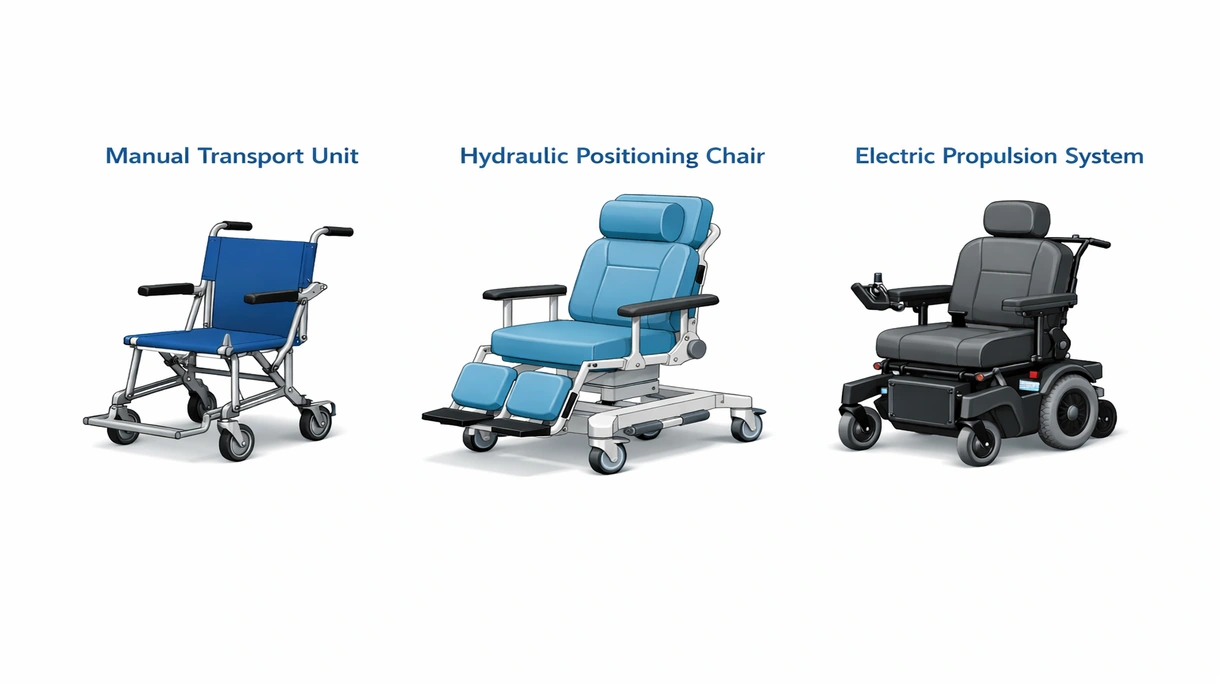
Manual transport units.
These lightweight units utilize folding frames and standard casters, primarily designed for short-distance navigation. Advantages include low cost while limitations involve manual exertion and minimal clinical positioning flexibility.
Hydraulic positioning chairs.
Integrated hydraulic pumps allow seat height adjustments, facilitating seamless transitions between different medical surfaces like examination beds. Benefits include ergonomic versatility while tradeoffs involve higher maintenance for fluid systems.
Electric propulsion systems.
Electric drive systems assist caregivers in moving heavy patients across long hospital wings without physical exertion. Advantages center on staff safety while tradeoffs involve battery management and higher investment.
6 expert tips
enables safe lateral transfers and reduces musculoskeletal injury risks for nursing staff members during daily operations.
ensure compliance with stringent infection control standards across various clinical environments and surgical facilities.
accommodate increasing bariatric patient populations while maintaining structural integrity during heavy clinical use.
including replacement parts and technician availability are essential to maximize long-term equipment utilization.
allow immediate immobilization from any position to enhance patient safety during seated medical procedures.
to ensure compliance with local building safety standards and long-term durability.
Innovations and Trends
Integrate patient scales directly into the frame to facilitate immediate data capture for electronic health records.
Replace traditional plastics to provide permanent protection against resistant organisms throughout the product lifecycle.
Allow chairs to lock into specialized transport vehicles or imaging tables without manual patient handling.
Utilize advanced suspension to protect post-operative patients from vibrations during rapid transit through facility corridors.
*Prices are pre-tax. They exclude delivery charges and customs duties and do not include additional charges for installation or activation options. Prices are indicative only and may vary by country, with changes to the cost of raw materials and exchange rates.
About MedicalExpo
MedicalExpo is a marketplace that offers B2B players a complete experience, from product sourcing to purchase. MedicalExpo is an entity of VirtualExpo Group.
Are you a buyer?
Are you a supplier?