
- Home page
- buying guide
- electromyograph
electromyograph
electromyograph: A technical guide
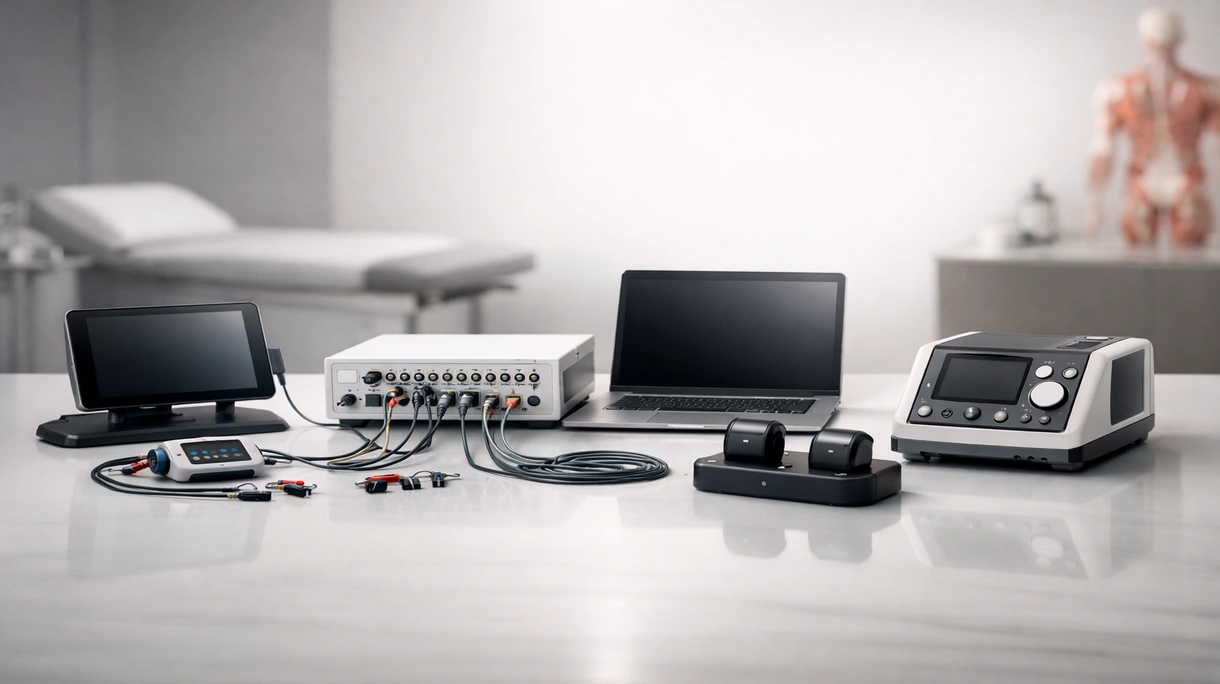
4 Criteria to choose your electromyograph
Signal to noise ratio
High-performance differential amplifiers minimize interference to ensure accurate diagnostic data during complex neuromuscular examinations in electrically noisy clinical environments.
High sampling frequency resolution
Superior digitization rates allow precise identification of rapid motor unit potentials, critical for differentiating between neurogenic and myogenic pathologies.
Ergonomic software workflow integration
Seamless DICOM and Hospital Information System connectivity reduces administrative burden, ensuring rapid data transfer to hospital-wide Electronic Health Record systems.
Portable modular hardware flexibility
Lightweight designs with multiple channel configurations allow versatile use across outpatient clinics, intensive care units, and specialized rehabilitation facilities.
Available technologies and advantages
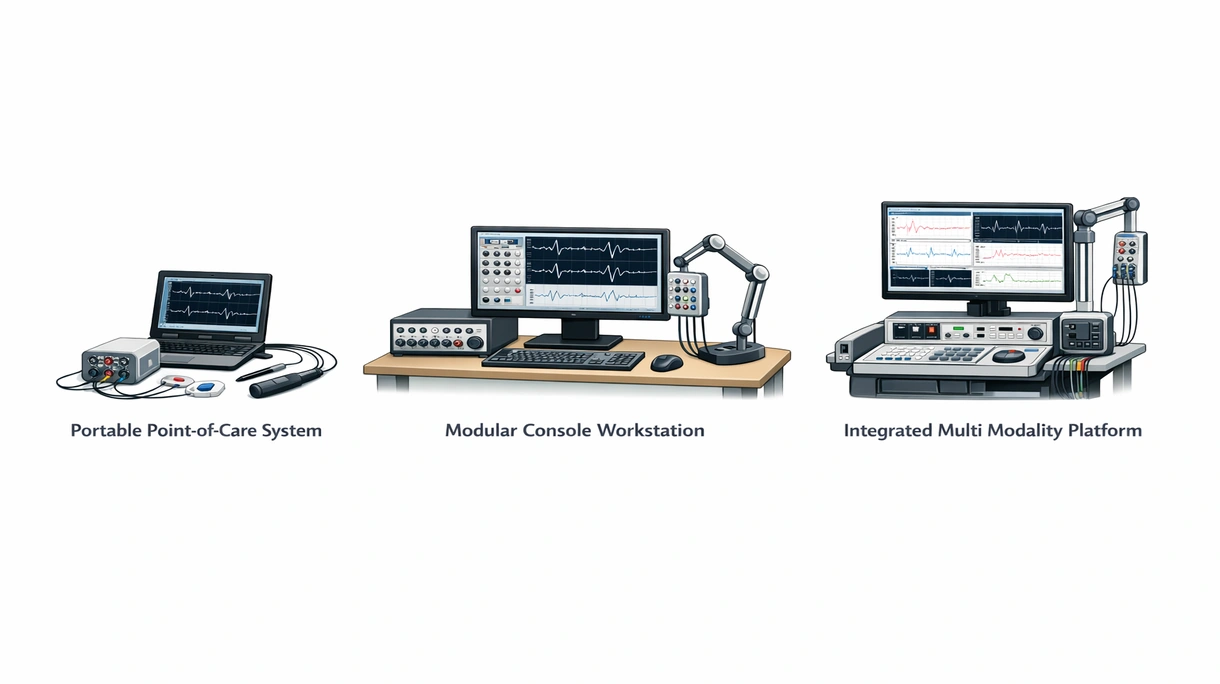
Portable Point-of-Care Systems
Compact battery-operated units prioritized for bedside evaluations and rapid nerve conduction studies. Advantage: mobility and immediate diagnostic results. Limitation: fewer amplifier channels. Trade-off: convenience over exhaustive diagnostic depth.
Modular Console Workstations
High-performance desktop configurations with multiple channel capabilities designed for comprehensive clinical neurological testing. Advantage: maximum processing power and signal clarity. Limitation: low mobility. Trade-off: high diagnostic precision for permanent installations.
Integrated Multi Modality Platforms
Systems combining electromyography, nerve conduction, and evoked potentials in a single diagnostic unit. Advantage: comprehensive neurological assessment. Limitation: high capital expenditure. Trade-off: versatility justifying higher initial investment costs.
6 expert tips
Prioritize systems with FDA clearance and CE marking to ensure legal compliance and patient safety in global markets.
Evaluate total cost of ownership including maintenance contracts and software fees for sustainable budget management and clinical operational efficiency.
Opt for modular hardware designs that allow for future technology upgrades without requiring complete replacement of the diagnostic unit.
Select vendors providing comprehensive clinical training and technical support to maximize equipment utilization and reduce potential diagnostic errors.
Ensure the electromyograph features robust data encryption protocols to maintain strict patient confidentiality and comply with international regulations.
Verify the technical certification to ensure compliance with local building safety standards and long-term durability.
Innovations and Trends
Reduces cable artifacts and enhances patient comfort during dynamic gait or functional movement analysis.
Algorithms expedite diagnostic workflows by highlighting abnormal waveforms for rapid clinician review and validation.
Enable remote specialist consultation and secure data sharing across international healthcare networks and systems.
Provide superior spatial resolution for detailed mapping of muscle activation patterns in complex rehabilitation.
*Prices are pre-tax. They exclude delivery charges and customs duties and do not include additional charges for installation or activation options. Prices are indicative only and may vary by country, with changes to the cost of raw materials and exchange rates.
About MedicalExpo
MedicalExpo is a marketplace that offers B2B players a complete experience, from product sourcing to purchase. MedicalExpo is an entity of VirtualExpo Group.
Are you a buyer?
Are you a supplier?