
- Home page
- buying guide
- ambulance
ambulance
ambulance: A technical guide

4 Criteria to choose your ambulance
Patient compartment ergonomics
Optimizing workspace layout ensures clinicians perform life-saving interventions efficiently while maintaining physical safety during high-speed emergency transport operations.
Electrical system reliability
Robust power architectures support continuous operation of critical life-support monitors, ventilators, and infusion pumps without risking total vehicle failure.
Payload capacity certification
High gross vehicle weight ratings allow for extensive specialized medical equipment integration without compromising vehicle stability or braking performance.
Infection control surfaces
Antimicrobial interior materials and seamless cabinetry facilitate rapid decontamination between patient calls to meet strict clinical hygiene standards.
Available technologies and advantages
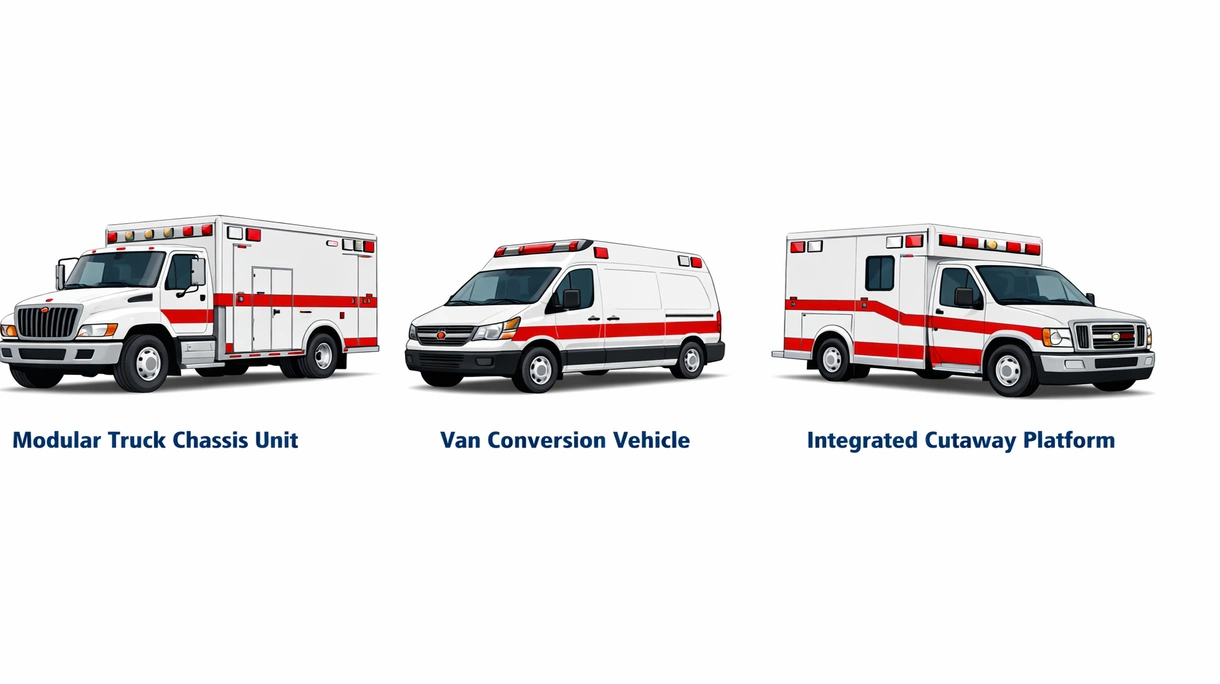
Modular Truck Chassis Units
This configuration utilizes a heavy-duty truck chassis with a separate patient module, offering superior payload and longevity. Its rigid structure provides high safety but increases fuel consumption and limits urban maneuverability.
Van Conversion Vehicles
Standardized van designs provide integrated patient compartments that favor aerodynamics and agility in dense metropolitan traffic environments. Limited internal volume restricts specialized equipment storage compared to larger box units.
Integrated Cutaway Platforms
These units combine van-front cabs with custom patient modules, balancing accessibility between the cab and the clinical workspace. They offer modular versatility but require complex maintenance schedules for specific components.
6 expert tips
Select chassis platforms with high-output alternators to support the significant electrical demands of modern advanced life support equipment.
Evaluate maintenance contract proximity and parts availability to minimize downtime for frontline emergency medical service vehicles and fleets.
Standardize interior mounting systems to facilitate rapid equipment swapping between units while maintaining strict crash-test safety compliance standards.
Implement telematics systems to monitor driver behavior and mechanical health for reduced liability and lower long-term insurance premiums.
Incorporate power-load cot systems to reduce paramedic back injuries and enhance patient stability during the loading and unloading process.
Choose modular cabinetry designs that allow for future clinical technology upgrades without requiring complete vehicle interior structural redesigns.
Always verify the technical certification to ensure compliance with local building safety standards and long-term durability.
Innovations and Trends
Integrated 5G telemedicine enables real-time high-definition video consultation between paramedics and trauma surgeons to improve patient outcomes.
Electric ambulance drivetrains reduce operational emissions and noise levels while providing high torque for rapid emergency response times.
UV-C automated disinfection systems integrated into the ceiling provide rapid, non-chemical sterilization of the patient compartment between calls.
Smart inventory management sensors track consumable levels in real-time to prevent shortages during critical intensive care transport missions.
*Prices are pre-tax. They exclude delivery charges and customs duties and do not include additional charges for installation or activation options. Prices are indicative only and may vary by country, with changes to the cost of raw materials and exchange rates.
About MedicalExpo
MedicalExpo is a marketplace that offers B2B players a complete experience, from product sourcing to purchase. MedicalExpo is an entity of VirtualExpo Group.
Are you a buyer?
Are you a supplier?