
- Home page
- buying guide
- wheelchair
wheelchair
wheelchair: A technical guide
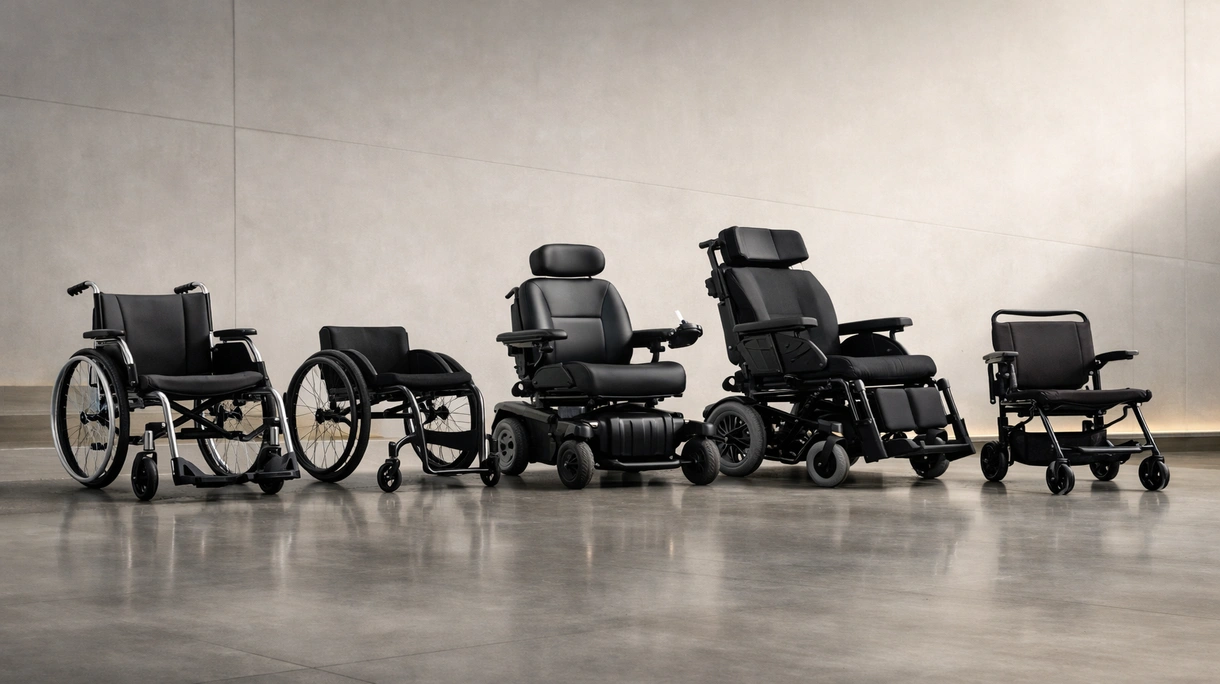
4 Criteria to choose your wheelchair
Tissue Integrity Management
Seat cushions and backrest materials must prevent advanced pressure ulcers through specialized hydrostatic weight distribution and moisture wicking.
Postural Support Geometry
Precise adjustment of seat-to-floor height and backrest angle ensures spinal alignment while facilitating safe patient transfers during activities.
Frame Durability Certification
Compliance with international standards and safety requirements ensures structural integrity under maximum weight capacities for long-term clinical use.
Multi-surface Mobility Efficiency
High-performance caster design and rolling resistance optimization reduce caregiver physical strain and enhance patient independence across diverse medical floors.
Available technologies and advantages
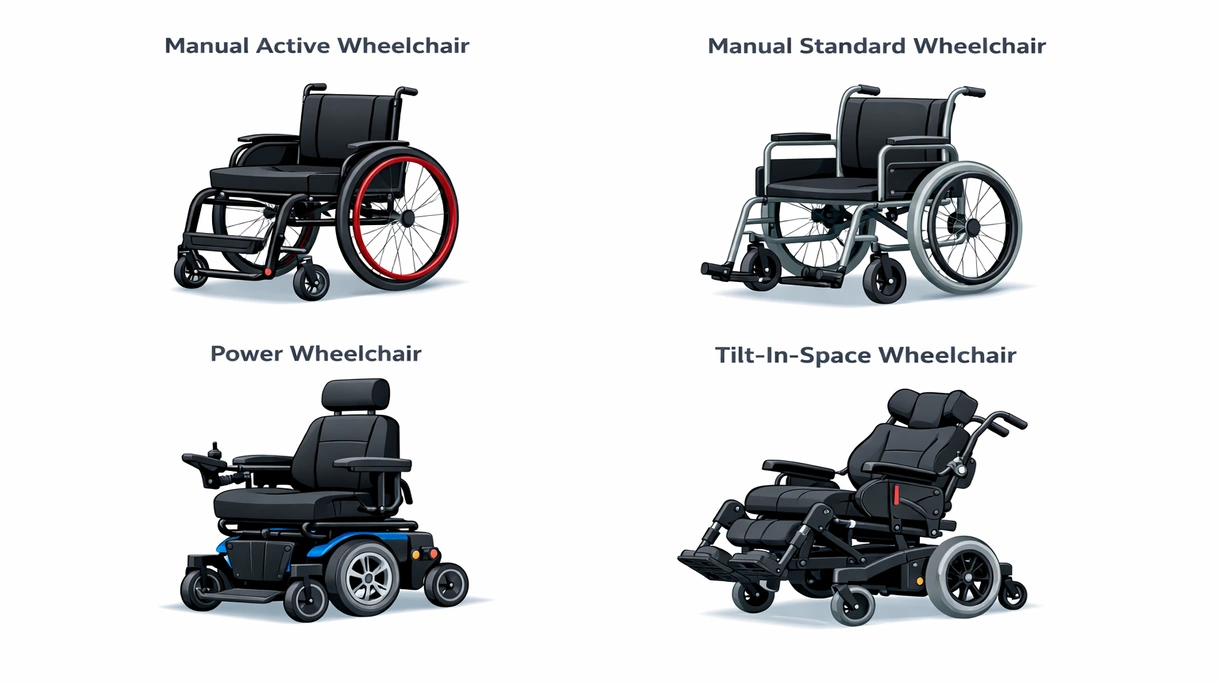
Manual Active Systems
Technical Comparative: Ultra-lightweight titanium or carbon fiber frames provide high responsiveness compared to standard steel models, optimizing energy transfer during self-propulsion.
Manual Operational Trade-offs
These models maximize patient autonomy and cardiovascular health but require significant upper body strength and offer limited support for complex postural needs.
Power Mobility Systems
Technical Comparative: Intelligent drive controllers and brushless motors offer superior torque and precision compared to manual frames, integrating environmental control and power tilt-in-space functionality.
Power Operational Trade-offs
They address severe motor impairments and prevent secondary fatigue, yet involve higher maintenance costs, increased weight, and battery charging infrastructure requirements.
Tilt-In-Space Configurations
Technical Comparative: Dynamic pressure redistribution mechanisms shift weight without changing hip angles, outperforming standard recliners in clinical management of chronic orthostatic hypotension and skin integrity.
Positioning Operational Trade-offs
These systems are vital for patients with zero trunk control to prevent shearing, though these units are bulky and less portable for transport.
6 expert tips
Prioritize modular frames that allow for significant seat width and depth adjustments to accommodate shifting patient populations and sizes.
Select equipment featuring antimicrobial upholstery surfaces that meet rigorous hospital-grade disinfection protocols to minimize cross-contamination risks during usage.
Require comprehensive service level agreements that include annual safety inspections and rapid parts replacement to minimize clinical downtime.
Evaluate the total cost of ownership by calculating battery lifespan and component durability rather than focusing on initial price.
Always verify the technical certification to ensure compliance with local building safety standards and long-term durability.
Standardize on specific tire and caster types to streamline inventory management and reduce specialized tool requirements for maintenance teams.
Innovations and Trends
This technology enables physiological benefits like improved bone density and circulation while enhancing patient social interaction and workplace ergonomics.
Integrated sensors track usage patterns and maintenance needs, allowing facility managers to optimize fleet utilization and patient safety.
This process allows for the production of patient-specific seating components that perfectly match individual anatomical contours for pressure relief.
These power sources are emerging to provide longer operational range and faster refueling compared to traditional lead-acid batteries.
*Prices are pre-tax. They exclude delivery charges and customs duties and do not include additional charges for installation or activation options. Prices are indicative only and may vary by country, with changes to the cost of raw materials and exchange rates.
About MedicalExpo
MedicalExpo is a marketplace that offers B2B players a complete experience, from product sourcing to purchase. MedicalExpo is an entity of VirtualExpo Group.
Are you a buyer?
Are you a supplier?