
- Home page
- buying guide
- urinal
urinal
urinal: A technical guide
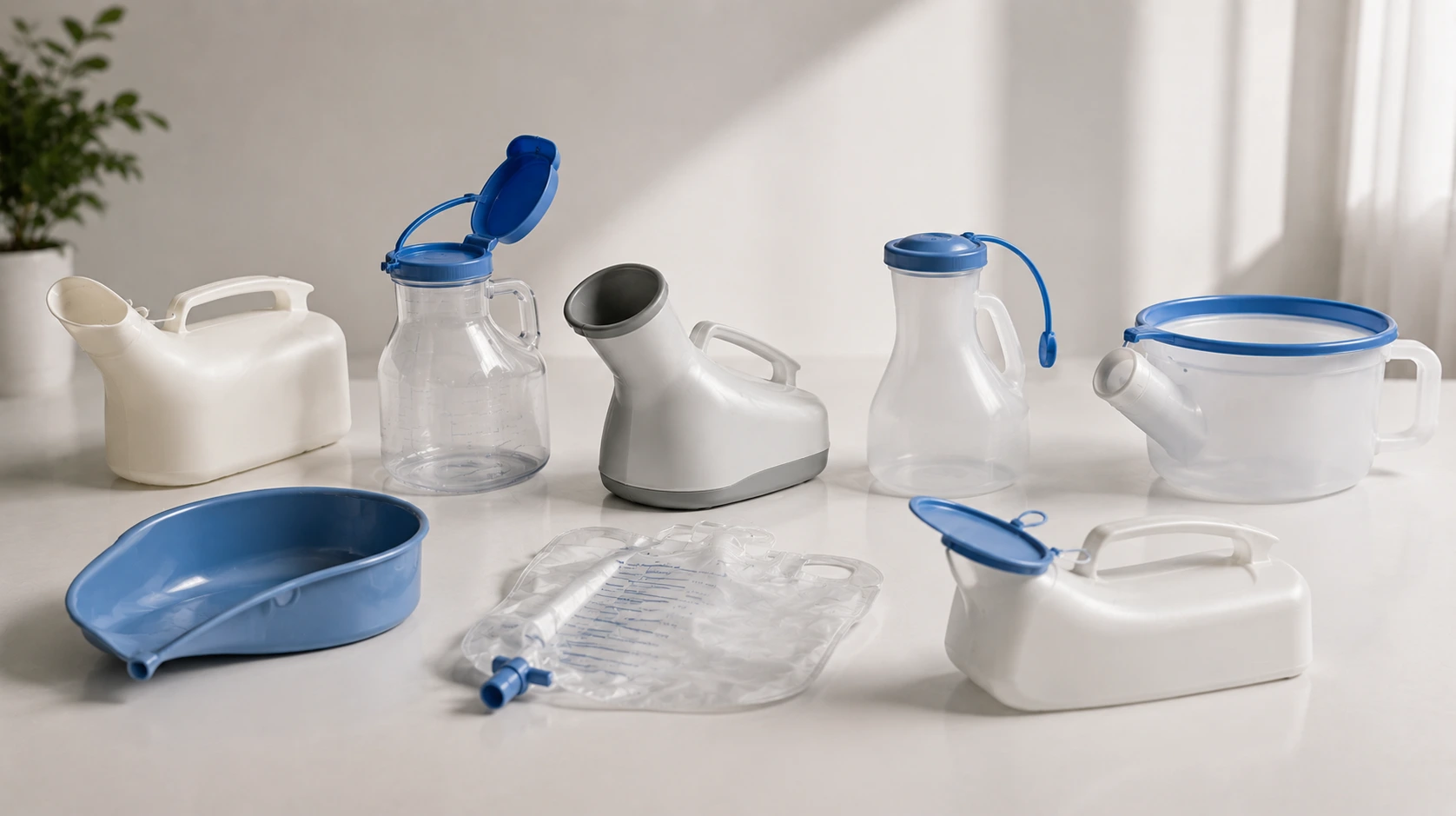
4 Criteria to choose your urinal
Infection control compliance
Superior antimicrobial coatings and rimless designs are essential to minimize biofilm accumulation and cross-contamination risks within high-traffic clinical settings.
Fluid containment efficiency
Ergonomic geometry must prevent splashing and aerosolization of biological fluids to maintain strict sanitary standards and protect healthcare staff.
Material durability rating
Medical-grade vitreous china or stainless steel ensures resistance to harsh chemical disinfectants and prevents surface degradation over extended use.
Ease of maintenance
Accessible internal trapways and streamlined external surfaces reduce cleaning time while ensuring compliance with rigorous hospital hygiene protocols.
Available technologies and advantages
Electronic sensor-actuated systems
These units utilize infrared proximity sensors to trigger flushing, eliminating manual contact and significantly reducing the transmission of pathogens between various users in clinical environments. They offer superior hygiene and water efficiency but require routine battery maintenance and involve higher initial capital expenditures compared to standard manual valves.
Waterless cartridge models
Utilizing high-density sealing liquids or mechanical valves, these systems eliminate water consumption entirely while preventing the escape of unpleasant odors via a specialized physical barrier. They drastically reduce plumbing infrastructure costs though they necessitate strict adherence to proprietary cartridge replacement schedules to maintain required clinical sanitary conditions.
Siphon jet fixtures
A pressurized water jet clears the bowl quickly and effectively, ensuring a thorough rinse with every single flush cycle to maintain high cleanliness standards. This technology provides the most reliable waste removal in high-volume areas but consumes more water than modern high-efficiency alternatives currently available on the market.
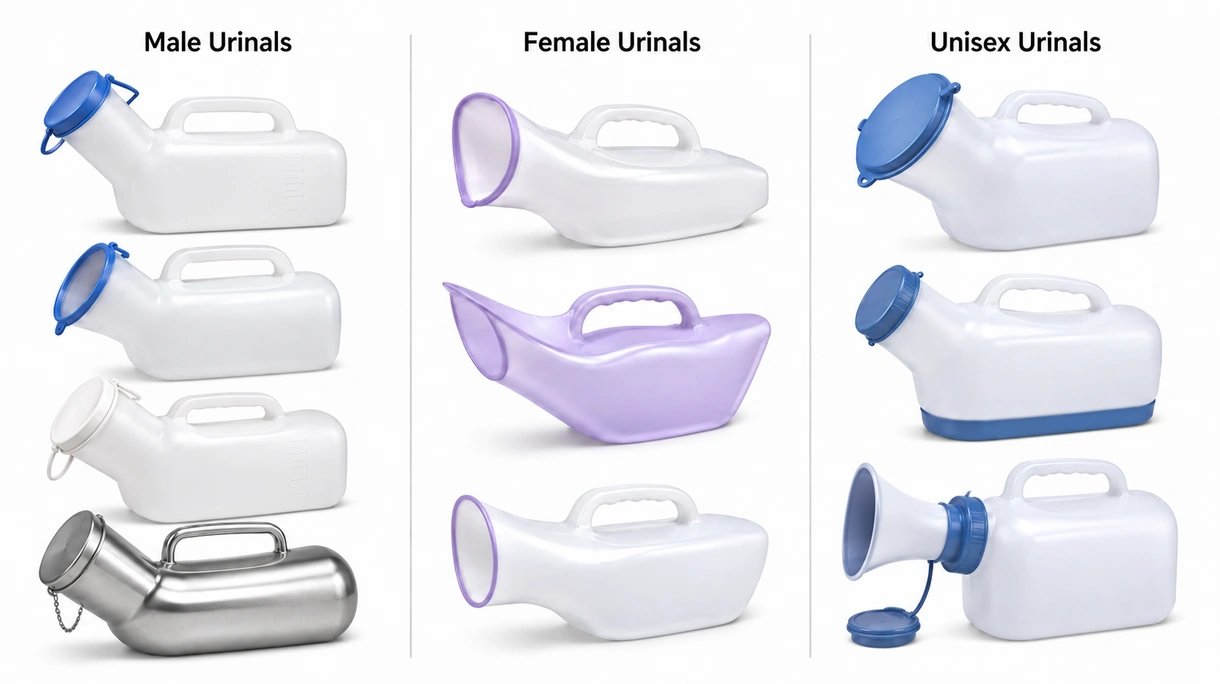
6 expert tips
Prioritize touchless sensor technology to drastically reduce hospital-acquired infections and improve overall patient safety within busy communal restrooms.
Select models with antimicrobial glazed surfaces to inhibit bacterial growth and simplify the daily sterilization protocols for maintenance staff.
Verify technical certification to ensure compliance with local building safety standards and long-term durability before finalizing any large procurement.
Evaluate high-efficiency flush valves to achieve significant long-term utility savings while meeting strict environmental sustainability targets for healthcare facilities.
Standardize hardware across the facility to streamline the inventory of replacement parts and reduce technical training requirements for staff.
Install wall-hung units at varying heights to accommodate diverse patient mobility needs and ensure compliance with international accessibility regulations.
Innovations and Trends
Urea-sensing diagnostic modules allow for non-invasive, real-time monitoring of patient hydration levels and renal function markers.
Advanced nano-coatings prevent liquid adhesion, reducing cleaning frequency and minimizing the accumulation of mineral scales and biofilms.
IoT-enabled sensors provide facility managers with precise usage data to optimize cleaning schedules and improve operational resource allocation.
Ultra-low-flow porcelain designs enable healthcare institutions to meet rigorous carbon footprint reduction goals and water conservation mandates.
*Prices are pre-tax. They exclude delivery charges and customs duties and do not include additional charges for installation or activation options. Prices are indicative only and may vary by country, with changes to the cost of raw materials and exchange rates.
About MedicalExpo
MedicalExpo is a marketplace that offers B2B players a complete experience, from product sourcing to purchase. MedicalExpo is an entity of VirtualExpo Group.
Are you a buyer?
Are you a supplier?