
- Home page
- buying guide
- coagulation analyzer
coagulation analyzer
coagulation analyzer: A technical guide
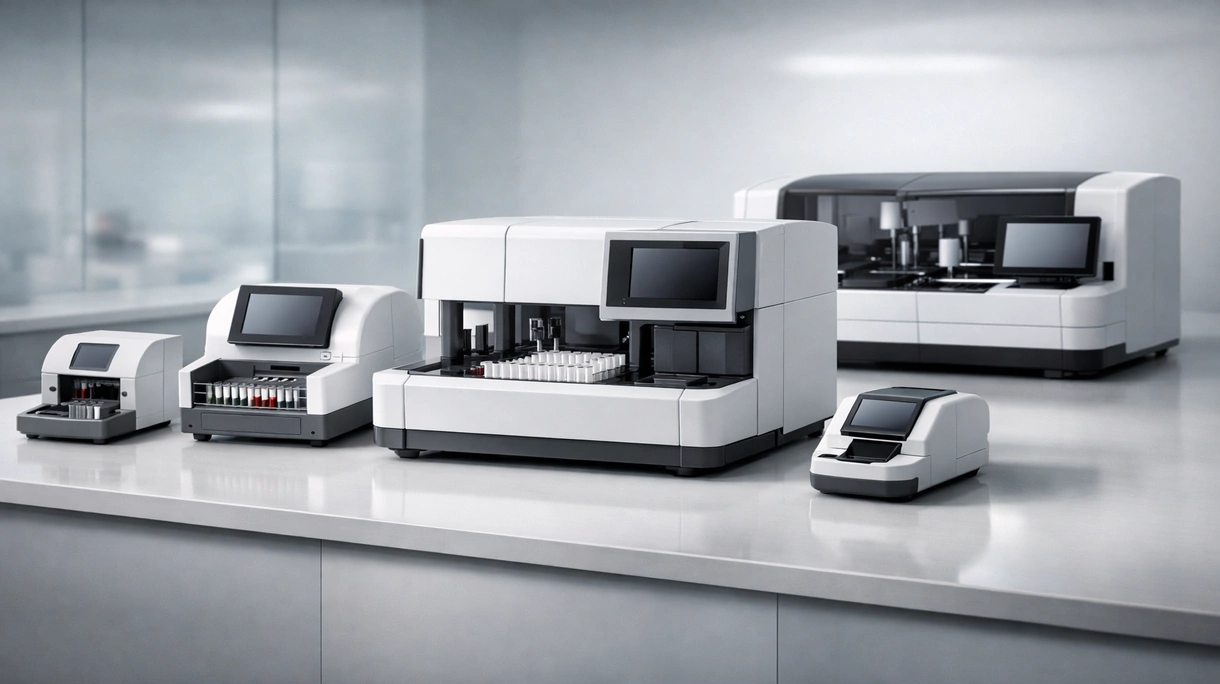
4 Criteria to choose your coagulation analyzer
Throughput and Turnaround Time
High speed processing ensures rapid diagnostic results for critical surgery and emergency care units managing acute bleeding risks daily.
Analytical Sensitivity and Range
Precise detection of low fibrinogen or heparin levels is vital for monitoring complex pharmacological interventions and high risk patients.
Reagent Management Efficiency
Integrated barcode tracking and cold storage minimize waste while ensuring high volume laboratories maintain strict clinical cost per test targets.
Connectivity and Data Compliance
Seamless laboratory information system integration facilitates secure electronic health record updates while meeting international clinical and regulatory standards.
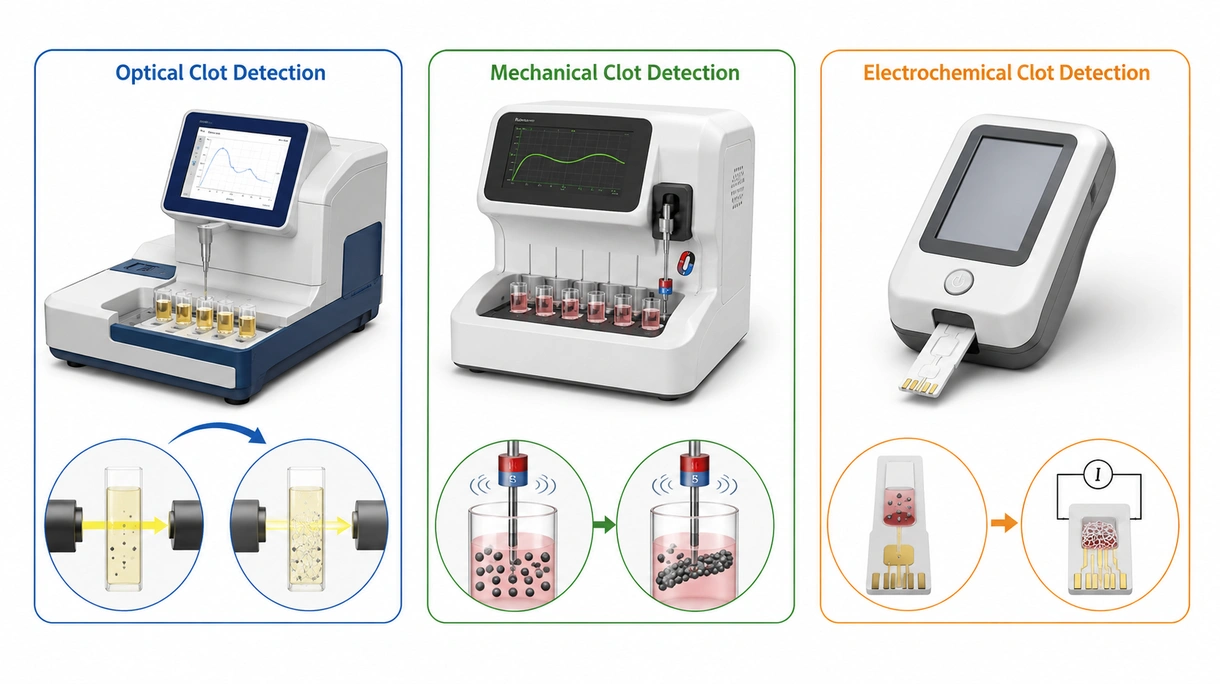
Available technologies and advantages
Optical Detection Method
Systems monitor light transmittance changes during clot formation with high sensitivity for automated laboratory workflows. They offer excellent versatility but can be sensitive to lipemic samples.
Mechanical Clot Detection
Using magnetic beads to detect viscosity changes ensures accurate results despite specimen turbidity or colored plasma interference. This method provides superior reliability in intensive care settings.
Electrochemical Testing Systems
Miniature sensors detect electrical current changes during coagulation and are primarily utilized in portable point of care devices. They facilitate immediate bedside decision making but support fewer tests.
6 expert tips
Select high throughput systems featuring automated rerun capabilities to optimize laboratory efficiency and reduce manual technologist intervention during shifts.
Choose platforms with universal reagent compatibility to lower operational costs and mitigate supply chain disruptions in medical facilities.
Evaluate the onboard refrigerated capacity for reagents to extend stability and minimize preparation labor for clinical laboratory staff.
Confirm advanced cybersecurity protocols protect patient data when connecting diagnostic equipment to hospital digital networks and laboratory systems.
Assess equipment footprint and ventilation requirements to ensure optimal placement within existing clinical laboratory facility and workspace layouts.
Ensure the purchase includes comprehensive service level agreements to maintain high uptime in critical surgery and emergency care.
Always verify the technical certification to ensure compliance with local building safety standards and long-term durability.
Innovations and Trends
Integration of microfluidic technology allows for rapid bedside coagulation monitoring with minimal blood volumes in trauma units.
Advanced platforms leverage cloud connectivity for real time quality control monitoring and predictive maintenance across global laboratory networks.
Machine learning algorithms improve the detection of complex bleeding disorders by analyzing subtle variations in clot formation curves.
New specialized assays provide precise measurement of anticoagulant levels to support urgent clinical decisions in emergency scenarios.
*Prices are pre-tax. They exclude delivery charges and customs duties and do not include additional charges for installation or activation options. Prices are indicative only and may vary by country, with changes to the cost of raw materials and exchange rates.
About MedicalExpo
MedicalExpo is a marketplace that offers B2B players a complete experience, from product sourcing to purchase. MedicalExpo is an entity of VirtualExpo Group.
Are you a buyer?
Are you a supplier?