
- Home page
- buying guide
- endotracheal tube
endotracheal tube
endotracheal tube: A technical guide
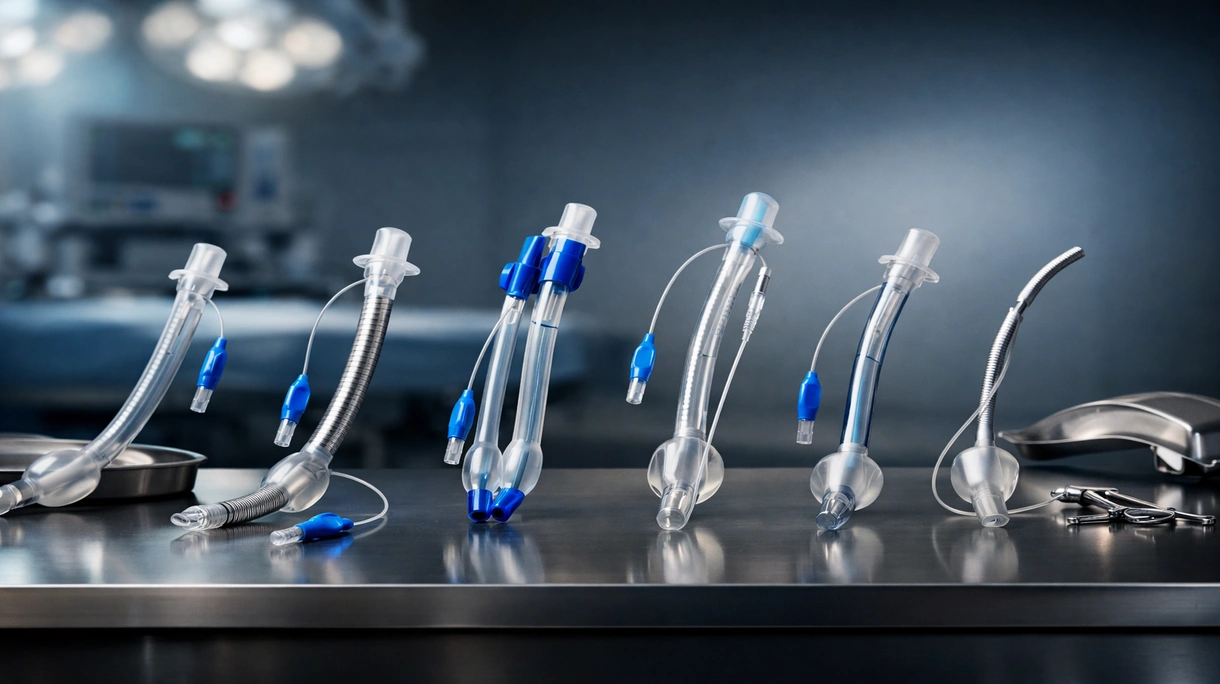
4 Criteria to choose your endotracheal tube
Cuff Seal Integrity
High-volume low-pressure cuffs prevent tracheal mucosal necrosis while maintaining positive pressure ventilation and reducing micro-aspiration risks during surgery.
Kink Resistance Durability
Wire-reinforced designs or high-grade PVC ensure airway patency during patient repositioning or complex head and neck surgical procedures.
Murphy Eye Safety
The side hole provides an alternative gas pathway if the primary distal tip becomes occluded by secretions or tissue.
Radiopaque Marker Visibility
Continuous longitudinal lines enable precise placement verification via X-ray to confirm the tip remains safely above the carina.
Available technologies and advantages
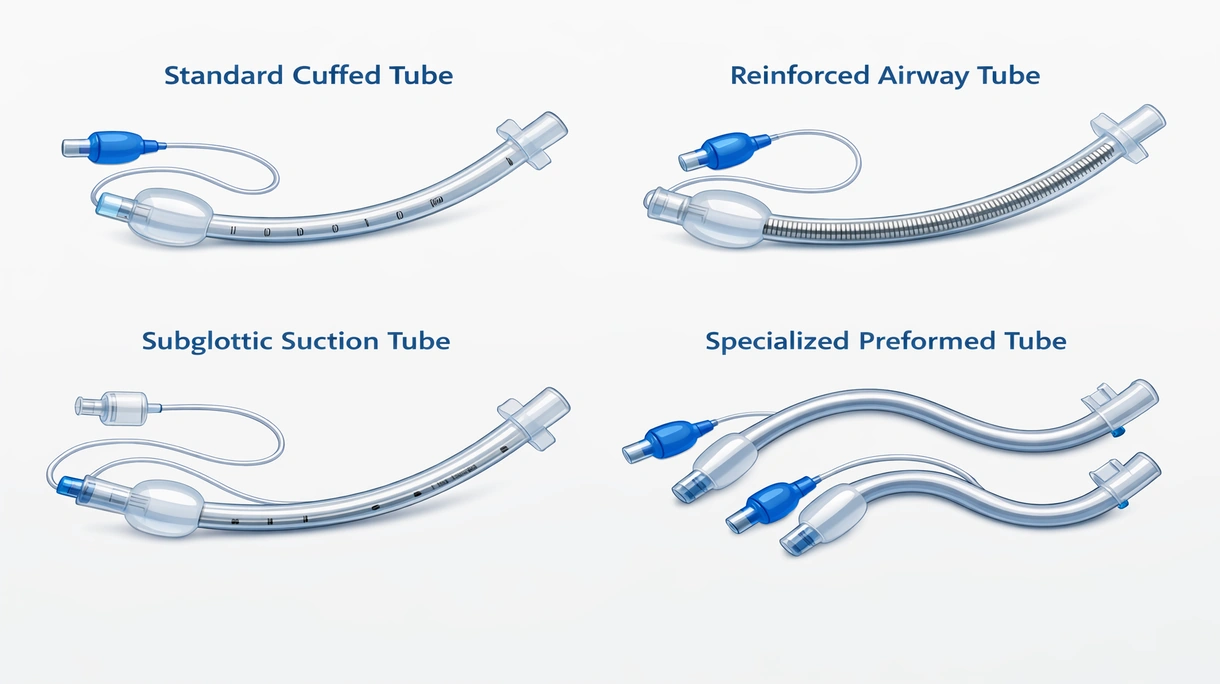
Standard Cuffed Tubes
Conventional high-volume low-pressure tubes offer cost-effective anesthesia but risk micro-aspiration. Trade-offs involve balancing low unit costs against the risk of long-term tracheal wall injury.
Reinforced Airway Tubes
Stainless steel helices prevent tube occlusion during complex patient positioning. Advantages include patency reliability, while limitations include reduced MRI compatibility and higher procurement costs.
Subglottic Suction Tubes
Dedicated lumens evacuate secretions to prevent pneumonia. Clinical benefits are significant, though operational trade-offs include increased nursing monitoring and higher cost per unit.
Specialized Preformed Tubes
RAE designs optimize surgical field access by directing connections away from the face. Benefits include stability, yet limitations include rigid anatomical sizing constraints.
6 expert tips
Prioritize procurement of subglottic suctioning tubes for ICU patients to reduce ventilator-associated pneumonia rates and total treatment costs.
Standardize on high-volume low-pressure cuffs across surgical departments to minimize tracheal mucosal injury and subsequent post-extubation complications risks.
Implement volume-based procurement contracts with dual-certified ISO and FDA suppliers to ensure supply chain resilience and regulatory compliance.
Select reinforced tubes specifically for neurosurgery and prone positioning cases to prevent airway occlusion and ensure patient safety.
Evaluate the total cost of ownership including complication rates rather than individual unit prices during hospital tender processes.
Always verify the technical certification to ensure compliance with local building safety standards and long-term durability.
Innovations and Trends
Specialized conical shapes improve the seal across varying tracheal diameters, significantly reducing micro-aspiration and fluid leakage into lungs.
Integration of silver ions onto tube surfaces inhibits bacterial colonization and biofilm formation, lowering healthcare-associated infection metrics globally.
Shift toward polyurethane materials eliminates phthalate exposure risks and meets evolving European REACH and MDR clinical safety regulations.
Emerging smart tubes provide real-time monitoring of cuff pressure and CO2 levels, enhancing precision in critical care environments.
*Prices are pre-tax. They exclude delivery charges and customs duties and do not include additional charges for installation or activation options. Prices are indicative only and may vary by country, with changes to the cost of raw materials and exchange rates.
About MedicalExpo
MedicalExpo is a marketplace that offers B2B players a complete experience, from product sourcing to purchase. MedicalExpo is an entity of VirtualExpo Group.
Are you a buyer?
Are you a supplier?