
- Home page
- buying guide
- tracheotomy cannula
tracheotomy cannula
tracheotomy cannula: A technical guide
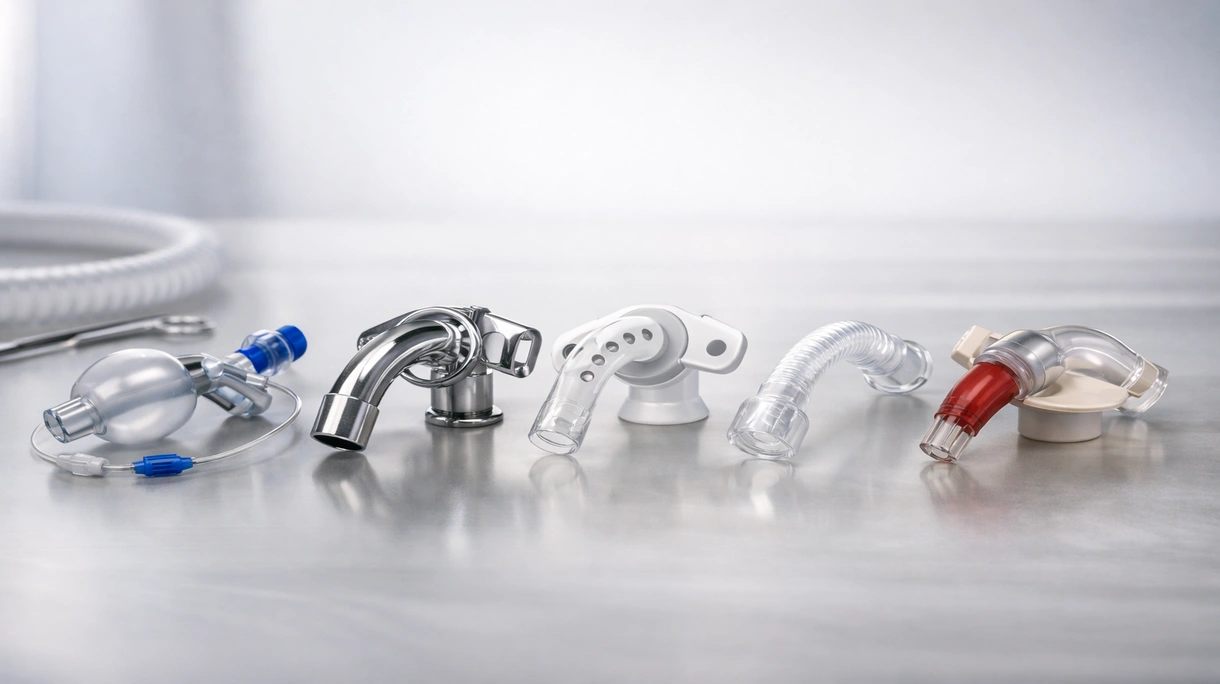
4 Criteria to choose your tracheotomy cannula
Biocompatibility and Material Safety
Medical-grade silicone or PVC must prevent tissue irritation and ensure long-term mucosal integrity during extended clinical ventilation cycles.
Anatomical Fit and Sizing
Precise outer diameters and adjustable lengths minimize tracheal stenosis risks and optimize airflow dynamics for diverse patient demographics.
Integrated Cuff Performance
Low-pressure high-volume cuffs prevent aspiration and ensure reliable seal integrity for patients requiring mechanical ventilation support protocols.
Secretion Management Efficiency
Features like subglottic suctioning ports and inner cannulas reduce biofilm accumulation and simplify nursing hygiene for infection prevention.
Available technologies and advantages
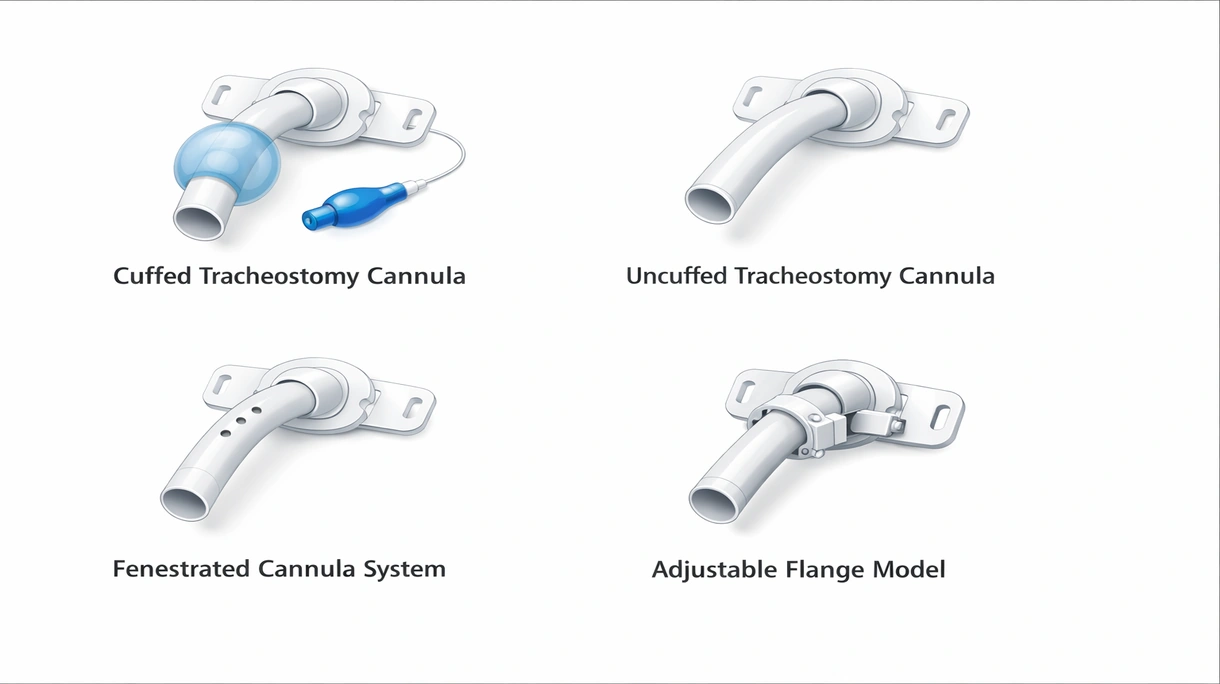
Cuffed Tracheostomy Cannulas
These devices utilize inflatable seals to isolate the lower airway, facilitating positive pressure ventilation and protecting against aspiration. They provide essential stability for critical care patients but require rigorous pressure monitoring.
Uncuffed Tracheostomy Cannulas
Designed for patients with adequate laryngeal reflexes, these models allow airflow around the tube to enable vocalization. They offer superior comfort and lower tissue trauma but lack protection against silent aspiration.
Fenestrated Cannula Systems
Featuring small openings in the outer shaft, these tubes direct exhaled air through the vocal cords to assist speech. They are vital for rehabilitation but demand precise positioning to avoid tissue growth.
Adjustable Flange Models
These specialized tubes allow clinicians to customize the shaft length for patients with unusual neck anatomy or thick tissue. They solve complex fitting challenges but introduce potential mechanical failure points.
6 expert tips
Standardize procurement on high-grade silicone models to reduce long-term complications and minimize the frequency of emergency device replacements.
Prioritize cannulas with integrated subglottic suction ports to lower ventilator-associated pneumonia rates and decrease total intensive care costs.
Always verify the technical certification to ensure compliance with local building safety standards and long-term durability.
Implement removable cannula systems to simplify daily maintenance and reduce the clinical labor time required for routine hygiene protocols.
Evaluate anatomical compatibility across various patient profiles to ensure a streamlined inventory that meets diverse surgical and rehabilitative needs.
Select manufacturers offering comprehensive clinical training programs to improve patient safety outcomes and ensure proper device utilization across departments.
Innovations and Trends
. Advanced silver-ion coatings effectively inhibit bacterial colonization to significantly reduce the incidence of healthcare-associated infections in long-term care.
. Real-time monitoring technologies automate inflation levels to prevent tracheal ischemia while maintaining a consistent seal during mechanical ventilation.
. Custom manufacturing of anatomically precise cannulas ensures optimal fit for patients with complex neck pathologies or post-traumatic airway distortions.
. Integrated systems now support higher oxygen flow rates directly through the cannula to enhance respiratory support during the weaning process.
*Prices are pre-tax. They exclude delivery charges and customs duties and do not include additional charges for installation or activation options. Prices are indicative only and may vary by country, with changes to the cost of raw materials and exchange rates.
About MedicalExpo
MedicalExpo is a marketplace that offers B2B players a complete experience, from product sourcing to purchase. MedicalExpo is an entity of VirtualExpo Group.
Are you a buyer?
Are you a supplier?