
- Home page
- buying guide
- biochemistry analyzer
biochemistry analyzer
biochemistry analyzer: A technical guide
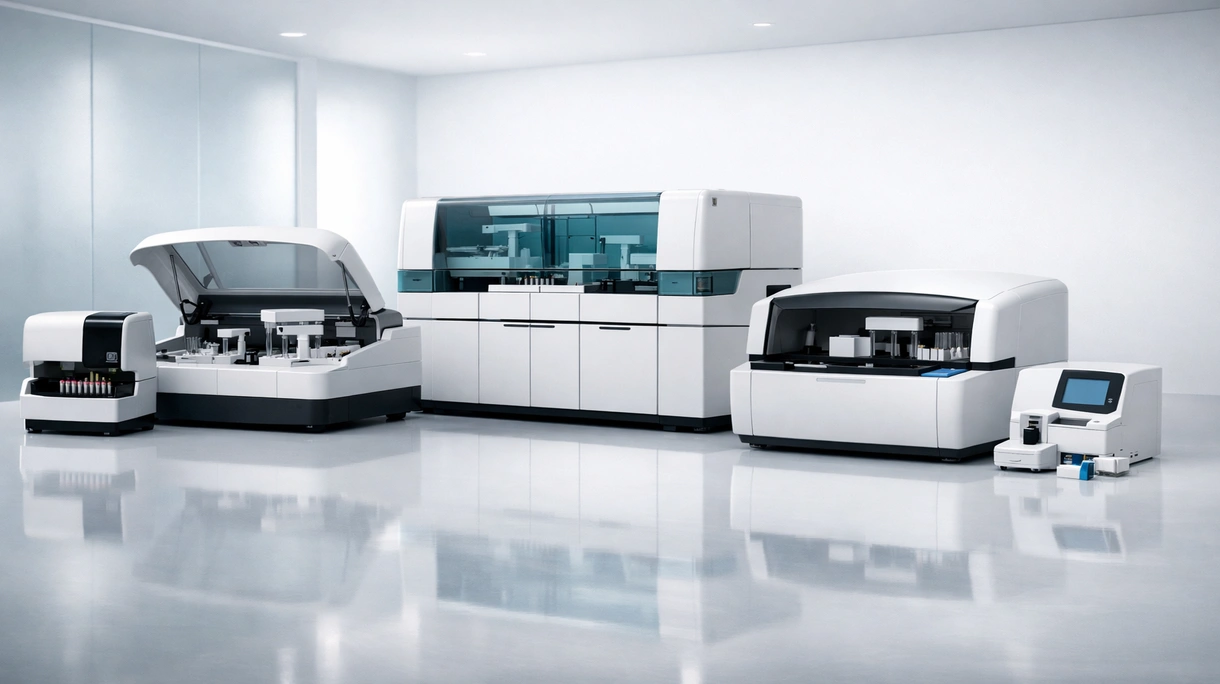
4 Criteria to choose your biochemistry analyzer
Throughput and processing speed
High-volume laboratories require rapid sample analysis to maintain clinical turnaround times and optimize patient diagnosis workflows effectively.
Analytical precision and accuracy
Reliable coefficient variations and low bias ensure diagnostic integrity, meeting stringent regulatory standards for clinical patient safety.
Reagent consumption efficiency
Minimizing waste through low-volume aspiration reduces operational costs while maintaining high-quality results across various clinical test panels.
Software and LIS integration
Seamless data transfer between analyzers and laboratory information systems prevents manual entry errors and enhances overall clinical productivity.
Available technologies and advantages
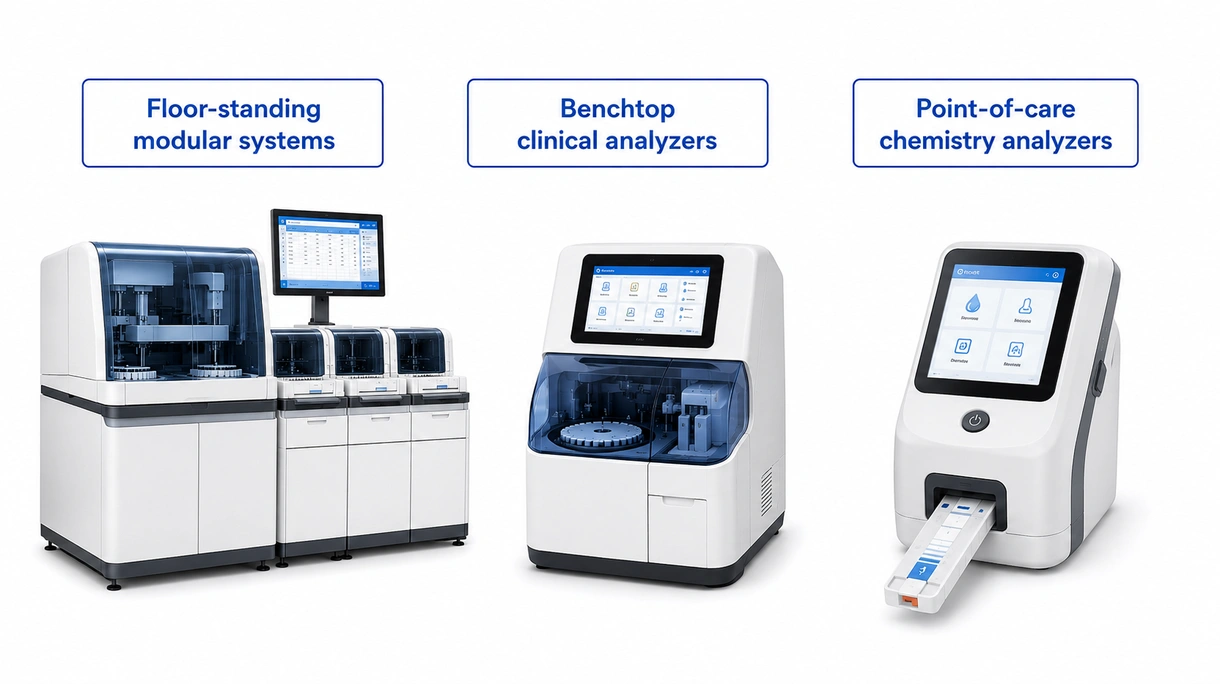
Floor-standing modular systems
These high-capacity units utilize spectrophotometry and ion-selective electrodes to process extensive tests per hour within centralized hospital environments.
Floor-standing modular systems
These systems provide maximum automation and scalability for high-volume labs but involve substantial footprints and significant initial financial investment.
Benchtop clinical analyzers
Compact platforms designed for mid-sized clinics utilize integrated photometric and turbidimetric assays to perform routine chemistry and electrolyte panels.
Benchtop clinical analyzers
They offer excellent space efficiency and lower maintenance costs despite having lower throughput and fewer automated features than larger models.
Point-of-care chemistry analyzers
Portable diagnostic devices utilize dry chemistry or microfluidic cartridges to deliver immediate metabolic results at the clinical patient bedside.
Point-of-care chemistry analyzers
Such devices ensure rapid turnaround times for critical care but suffer from higher per-test costs and limited assay menus.
6 expert tips
Prioritize systems with low reagent waste to maximize long-term financial sustainability and reduce cost per reportable result significantly.
Select equipment featuring automated maintenance protocols to minimize technician downtime and ensure consistent laboratory operational efficiency throughout shifts.
Evaluate the compatibility of open versus closed reagent systems to balance cost flexibility against proprietary manufacturer assay performance.
Opt for analyzers offering remote diagnostic capabilities to facilitate rapid technical support and maintain high instrument uptime in hospitals.
Invest in scalable modular configurations that allow for future volume expansion without requiring complete replacement of the existing infrastructure.
Always verify the technical certification to ensure compliance with local building safety standards and long-term durability.
Innovations and Trends
Integration of machine learning algorithms predicts hardware failures before they occur, reducing unplanned laboratory downtime and repair costs.
Real-time synchronization of patient results across healthcare networks improves clinical decision-making speed and satisfies modern interoperability regulations.
New chemical compositions reduce hazardous waste production, helping laboratories meet tightening environmental safety standards and sustainability goals.
Advanced sample processing requires smaller volumes, preserving precious patient specimens while maintaining high analytical sensitivity and accuracy.
*Prices are pre-tax. They exclude delivery charges and customs duties and do not include additional charges for installation or activation options. Prices are indicative only and may vary by country, with changes to the cost of raw materials and exchange rates.
About MedicalExpo
MedicalExpo is a marketplace that offers B2B players a complete experience, from product sourcing to purchase. MedicalExpo is an entity of VirtualExpo Group.
Are you a buyer?
Are you a supplier?