
- Home page
- buying guide
- laboratory centrifuge
laboratory centrifuge
laboratory centrifuge: A technical guide
4 Criteria to choose your laboratory centrifuge
Rotational speed and RCF.
Precise g-force control ensures consistent pellet formation and sample integrity across diverse clinical protocols and diagnostic laboratory workflows.
Temperature regulation range.
Integrated cooling systems prevent thermal degradation of sensitive biological samples, maintaining enzymatic activity and molecular stability during high-speed runs.
Rotor type versatility.
Interchangeable swing-out or fixed-angle rotors accommodate varying tube volumes, maximizing equipment utilization across hematology, immunology, and research departments.
Safety biosafety containment.
Certified aerosol-tight lids and imbalance detection sensors protect laboratory personnel from hazardous pathogens and mechanical failures during operation.
Available technologies and advantages
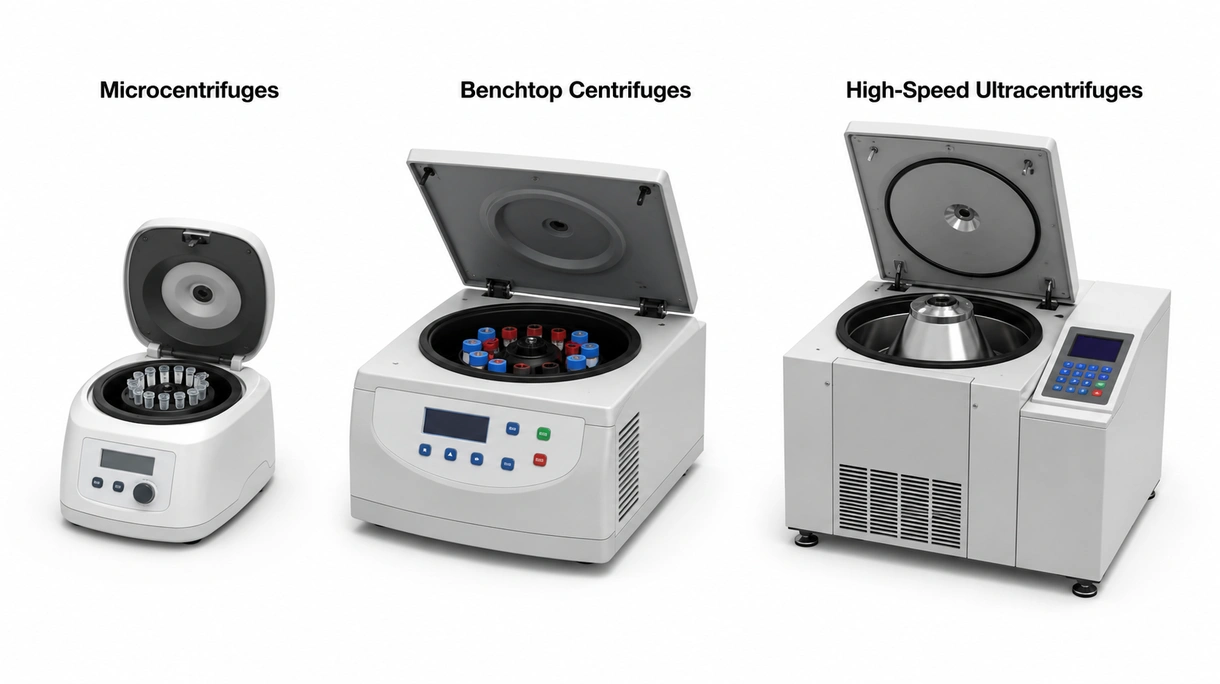
Microcentrifuges.
These compact units deliver high speeds for small volume samples, primarily for molecular research. They offer rapid acceleration but lack capacity for larger clinical tubes and diverse rotors.
Multipurpose Benchtop Centrifuges.
These versatile systems handle various sample types from blood tubes to microplates efficiently. They provide excellent operational flexibility but occupy significant bench space compared to specialized diagnostic microcentrifuge units.
High-Speed Ultracentrifuges.
Engineered for extreme force, these systems separate sub-cellular particles using vacuum chambers and advanced cooling. High costs and specialized maintenance represent significant trade-offs for these high-performance diagnostic tools.
Floor-Standing Large Capacity.
Designed for high-throughput processing, these units handle liters of material for blood banking needs. They offer massive volume but demand dedicated floor space and significant electrical infrastructure requirements.
6 expert tips
Prioritize models with brushless induction motors to minimize maintenance downtime and ensure long-term operational reliability in clinical environments.
Evaluate total cost of ownership by including periodic calibration services and rotor replacement schedules within the initial contract.
Select units featuring programmable multi-user interfaces to standardize centrifugation protocols and reduce human error during high-volume sample processing.
Ensure compatibility with existing laboratory information systems to enable automated tracking of run parameters for regulatory compliance audits.
Invest in carbon fiber rotors to reduce mechanical stress on the drive system and improve overall energy efficiency.
Verify that all selected equipment meets UL and CE certification standards to guarantee patient safety and institutional insurance. Always verify the technical certification to ensure compliance with local building safety standards and long-term durability.
Innovations and Trends
Integrated IoT sensors provide real-time remote monitoring of cycle health, significantly reducing unplanned downtime through proactive maintenance alerts.
Eco-friendly refrigerants and energy-saving standby modes reduce laboratory carbon footprints while maintaining strict temperature control for samples.
Voice-activated controls and automatic lid opening minimize cross-contamination risks and improve ergonomic workflows for busy laboratory technicians.
RFID-based rotor detection automatically limits speeds to safe levels, preventing mechanical failures and enhancing overall laboratory safety.
*Prices are pre-tax. They exclude delivery charges and customs duties and do not include additional charges for installation or activation options. Prices are indicative only and may vary by country, with changes to the cost of raw materials and exchange rates.
About MedicalExpo
MedicalExpo is a marketplace that offers B2B players a complete experience, from product sourcing to purchase. MedicalExpo is an entity of VirtualExpo Group.
Are you a buyer?
Are you a supplier?