
- Home page
- buying guide
- laboratory microcentrifuge
laboratory microcentrifuge
laboratory microcentrifuge: A technical guide
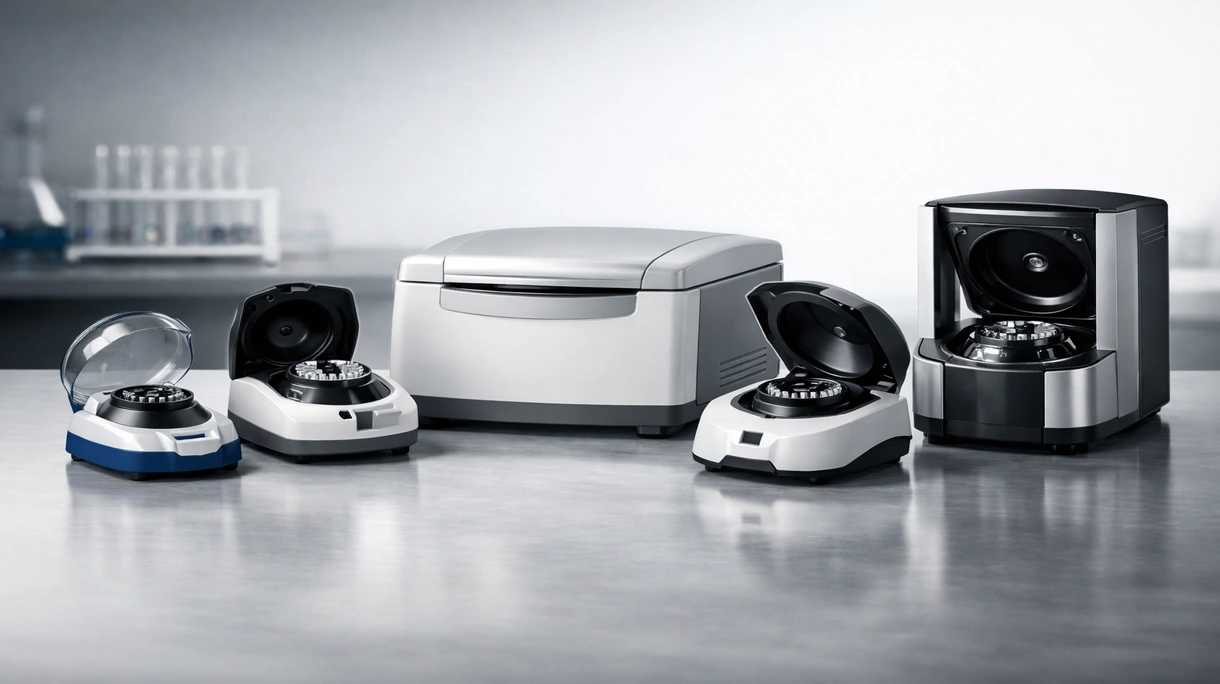
4 Criteria to choose your laboratory microcentrifuge
Maximum centrifugal force
Crucial for effective pelleting of nucleic acids or proteins, ensuring protocol compliance across standardized clinical and molecular biology workflows.
Temperature control accuracy
Maintains sample integrity for heat-sensitive enzymes and reagents, preventing degradation during high-speed diagnostic or research processing cycles.
Aerosol-tight biological safety
Certified containment prevents hazardous sample leakage, protecting laboratory personnel from infectious pathogens while meeting international biosafety level requirements.
Rotor versatility and capacity
Interchangeable rotors accommodate diverse tube formats, optimizing laboratory throughput and allowing seamless transitions between various clinical diagnostic protocols.
Available technologies and advantages
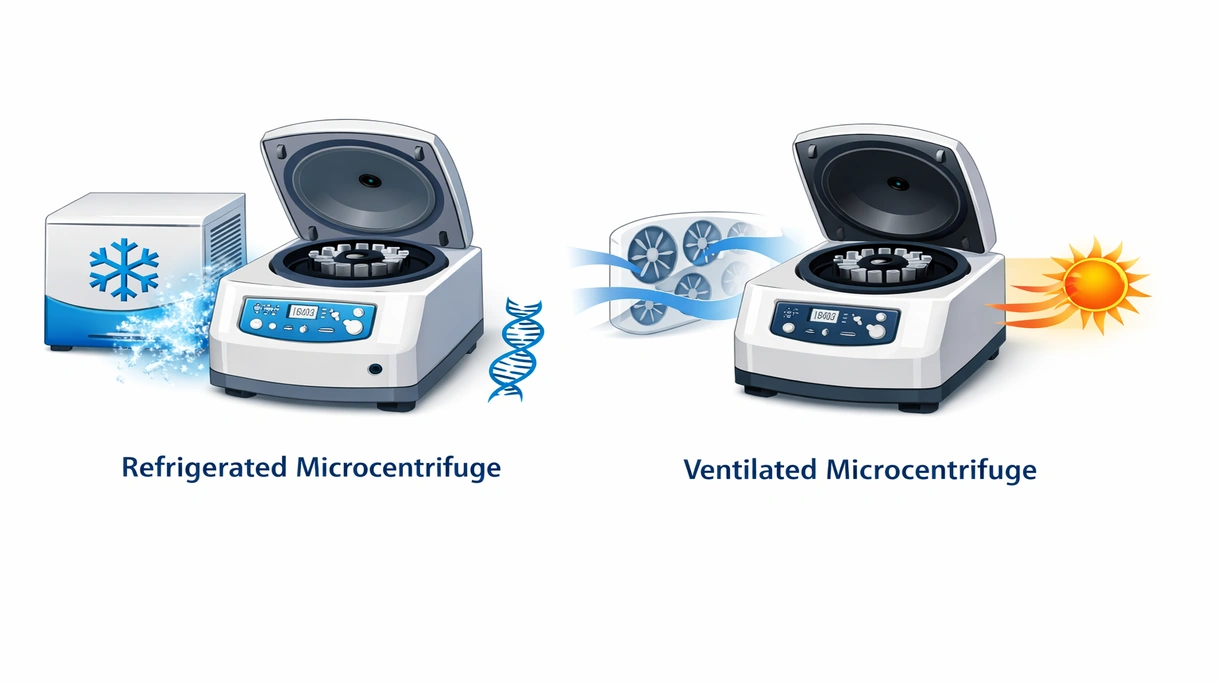
Refrigerated microcentrifuges
These systems integrate high-performance compressors to maintain sub-ambient temperatures during high-speed rotation, preventing sample denaturation in molecular labs. Advantages include essential DNA/RNA stability. Limitations involve higher power consumption and larger footprints. Trade-offs center on increased capital cost versus sample protection.
Ventilated microcentrifuges
Ambient air cooling systems utilize airflow to dissipate heat generated by friction, suitable for non-sensitive protocols and quick spins. Advantages include energy efficiency and compact design. Limitations involve temperature rise during long runs. Trade-offs focus on economic efficiency versus limited thermal control.
6 expert tips
Prioritize models with brushless induction motors to minimize maintenance costs and ensure long-term mechanical reliability in high-throughput laboratories.
Select centrifuges featuring certified aerosol-tight lids to ensure compliance with strict biosafety regulations regarding infectious clinical sample processing.
Evaluate total cost of ownership by considering energy consumption profiles and the availability of modular rotor replacement programs.
Opt for intuitive digital interfaces with programmable memory to reduce operator error and standardize complex diagnostic clinical protocols.
Verify the technical certification to ensure compliance with local building safety standards and long-term durability.
Confirm manufacturer support for prompt calibration services to maintain ISO accreditation and consistent performance in regulated medical environments.
Innovations and Trends
Smart connectivity features enable remote monitoring of run parameters, improving documentation accuracy and meeting data integrity regulatory standards.
Eco-friendly refrigerant systems utilize natural gases to reduce environmental impact while maintaining precise temperature control for clinical samples.
Automatic rotor recognition technology prevents overspeeding beyond safe limits, significantly enhancing laboratory safety and protecting expensive diagnostic equipment.
Fast-cool functions significantly reduce pre-cooling times, accelerating workflow throughput and increasing daily testing capacity in high-demand clinical environments.
*Prices are pre-tax. They exclude delivery charges and customs duties and do not include additional charges for installation or activation options. Prices are indicative only and may vary by country, with changes to the cost of raw materials and exchange rates.
About MedicalExpo
MedicalExpo is a marketplace that offers B2B players a complete experience, from product sourcing to purchase. MedicalExpo is an entity of VirtualExpo Group.
Are you a buyer?
Are you a supplier?