
- Home page
- buying guide
- laboratory incubator
laboratory incubator
laboratory incubator: A technical guide
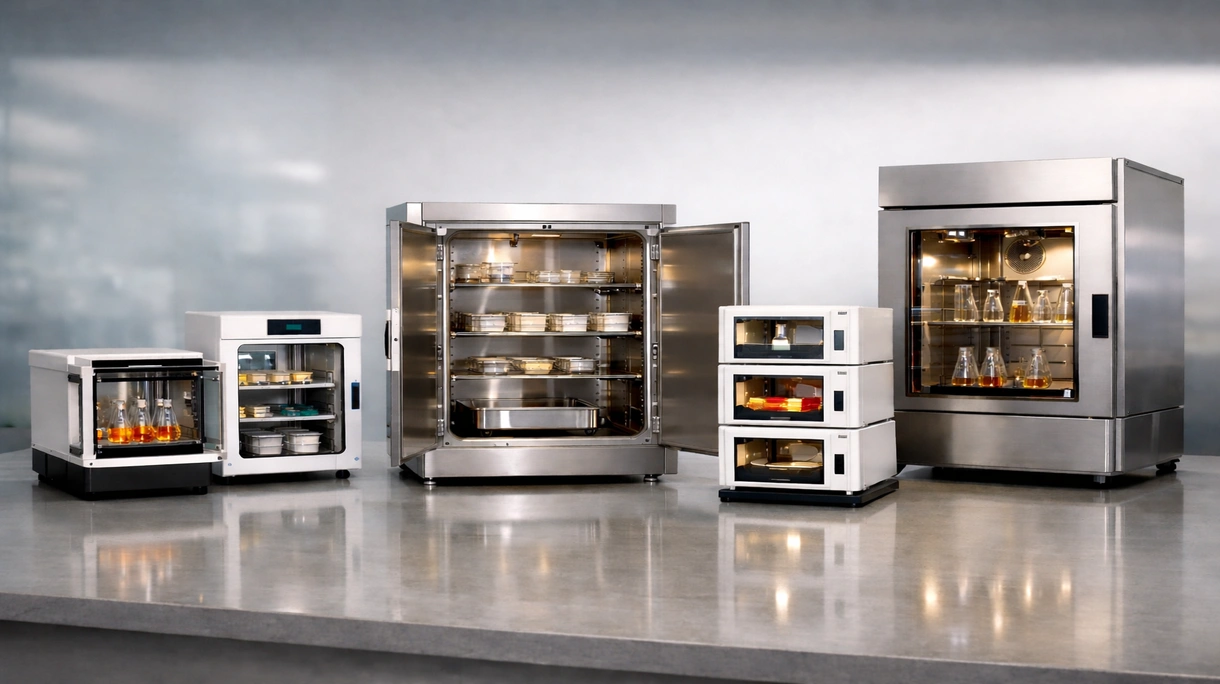
4 Criteria to choose your laboratory incubator
Thermal stability and uniformity
Critical for cell viability and reproducible experimental results in clinical or diagnostic laboratory settings through consistent temperature distribution.
Contamination control features
Integral surfaces and HEPA filtration prevent cross-contamination risks, ensuring sample integrity and strict adherence to hospital biosafety standards.
Gas concentration precision
Accurate carbon dioxide or oxygen regulation maintains physiological pH levels, vital for sensitive mammalian cell cultures and clinical IVF procedures.
Regulatory data compliance
Automated tracking ensures strict regulatory compliance for audit trails and total quality management within medical and analytical laboratories.
Available technologies and advantages
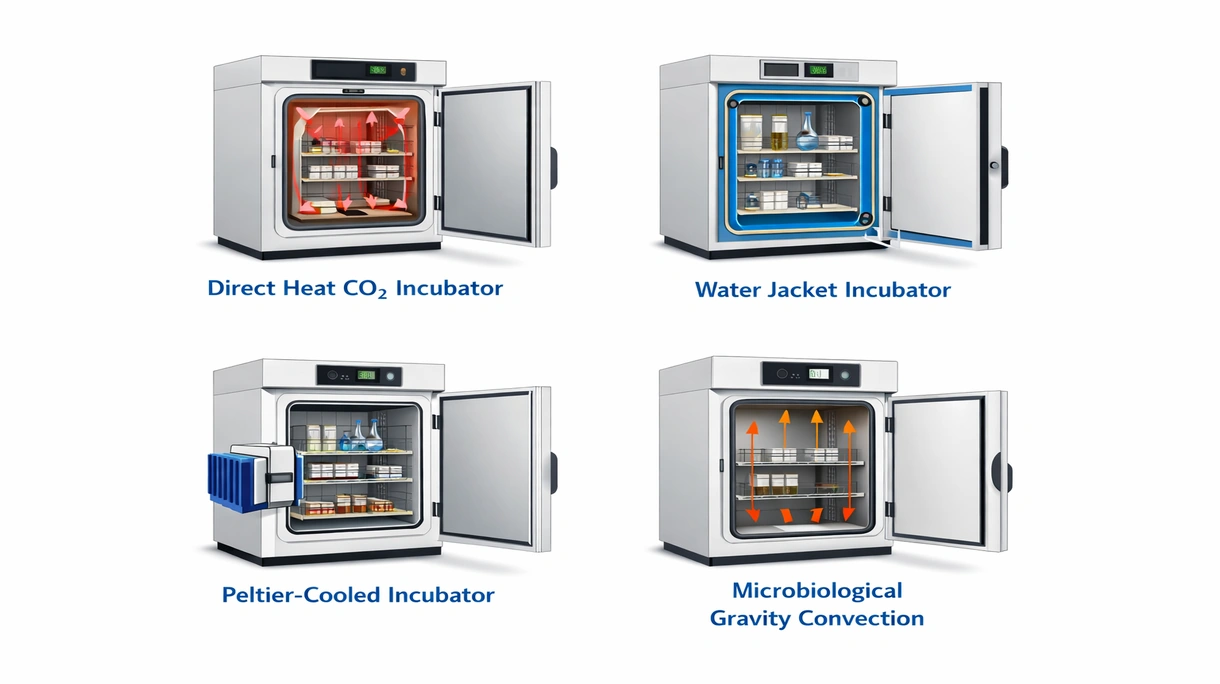
Direct Heat Carbon Dioxide
Efficient recovery times and lighter construction compared to water jackets, offering high-temperature sterilization cycles to minimize manual cleaning effort while ensuring clinical sample safety.
Water Jacket Incubators
Superior thermal stability during power failures or door openings, protecting sensitive cultures through high heat capacity and insulation performance suitable for variable environment laboratories.
Peltier-Cooled Incubators
Precise temperature control for microbiology and plant tissue culture, eliminating compressor vibration and reducing energy consumption via solid-state cooling for high-performance laboratory environments.
Microbiological Gravity Convection
Cost-effective solution for basic culturing where air turbulence must be minimized to prevent sample dehydration or cross-contamination during standard incubation in medical technical facilities.
6 expert tips
Prioritize high-heat cycles to reduce laboratory downtime and ensure the highest possible standards for clinical sample safety.
Select units with seamless inner chambers to eliminate potential harborages for pathogens and simplify rigorous infection control protocols.
Invest in dual-beam infrared sensors for carbon dioxide tracking to provide long-term stability and reduce frequent recalibration service costs.
Evaluate oxygen control capabilities if working with hypoxic conditions to simulate physiological environments required for advanced research.
Choose stackable configurations to maximize limited laboratory floor space while maintaining independent control for different sensitive research protocols.
Always verify the technical certification to ensure compliance with local building safety standards and long-term durability.
Innovations and Trends
Remote cloud monitoring allows real-time parameter tracking and instant alarm notifications to prevent catastrophic loss of biological samples.
Antimicrobial copper-enriched interiors provide continuous passive protection against bacterial growth between mandatory high-temperature sterilization cycles for clinical laboratories.
Divided inner glass doors minimize heat and gas loss during sample retrieval to maintain optimal physiological culture conditions.
Integrated hydrogen peroxide vapor sterilization systems provide rapid and automated decontamination meeting the strictest pharmaceutical and biological regulations.
*Prices are pre-tax. They exclude delivery charges and customs duties and do not include additional charges for installation or activation options. Prices are indicative only and may vary by country, with changes to the cost of raw materials and exchange rates.
About MedicalExpo
MedicalExpo is a marketplace that offers B2B players a complete experience, from product sourcing to purchase. MedicalExpo is an entity of VirtualExpo Group.
Are you a buyer?
Are you a supplier?