
- Home page
- buying guide
- binocular loupe
binocular loupe
binocular loupe: A technical guide
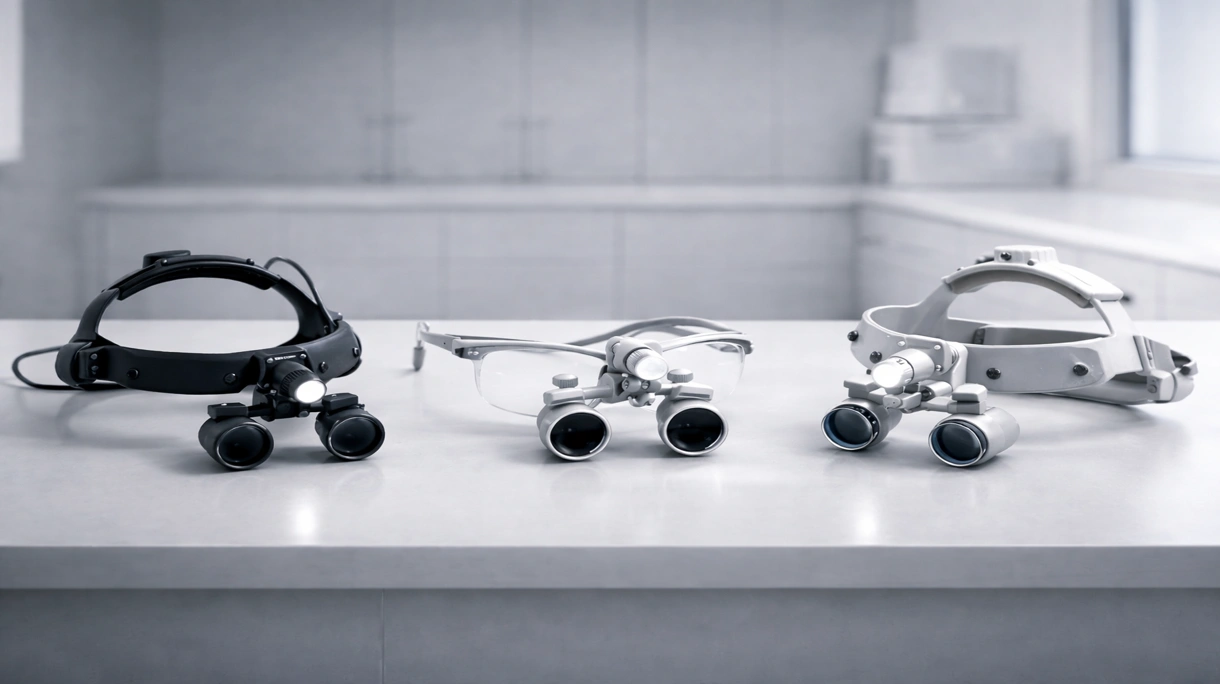
4 Criteria to choose your binocular loupe
Optical Resolution and Clarity
High-definition glass ensures precise visualization of micro-structures during surgical procedures while reducing eye strain for the clinical professional.
Field of View Width
Extensive visualization areas allow surgeons to monitor surrounding tissue without constant head movement, improving ergonomic efficiency and clinical safety.
Depth of Field Range
Greater focal depth accommodates natural clinician movements and varying patient positions without losing focus on the critical operative site.
Ergonomic Weight and Balance
Lightweight frames and balanced optics prevent cervical strain during long operations, ensuring physician comfort and maintaining steady visual focus.
Available technologies and advantages
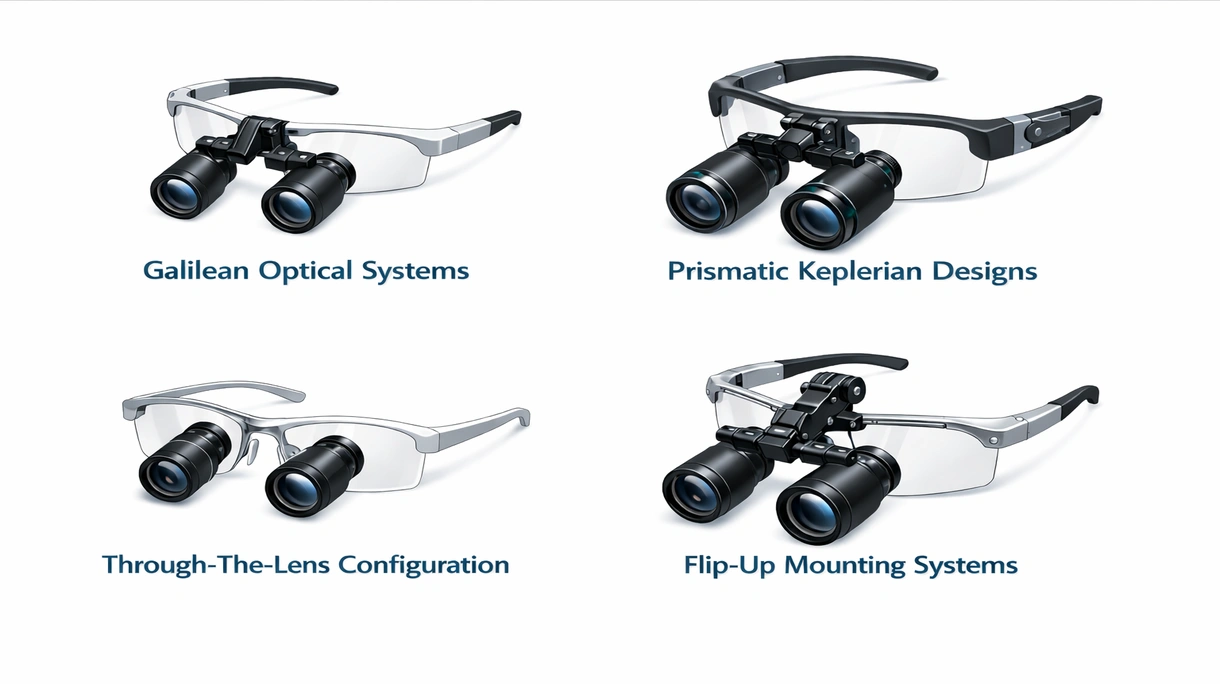
Galilean Optical Systems
These systems utilize a simple lens configuration providing lightweight comfort and wide fields. They offer excellent brightness but limited magnification, requiring trade-offs between weight and detail.
Prismatic Keplerian Designs
Advanced roof prisms deliver edge-to-edge sharpness and higher magnification for complex microsurgery. They offer superior detail but increased weight, requiring precise ergonomic alignment and adjustment.
Through-The-Lens Configuration
Optics are custom-mounted for wide fields and reduced weight. This configuration offers permanent alignment but lacks adjustability, requiring personalized measurements for each specific clinical user.
Flip-Up Mounting Systems
The optical barrels are mounted on a hinge for versatility. This allows clinicians to switch tasks easily but adds mechanical weight and requires frequent realignment.
6 expert tips
Prioritize medical-grade achromatic lenses to ensure color accuracy and high-contrast visualization during critical cardiovascular or neurosurgical micro-dissection tasks.
Select custom-measured declination angles to prevent chronic cervical spine injuries while maintaining an upright ergonomic posture during surgery.
Invest in integrated LED illumination systems to eliminate shadows and improve visual acuity within deep or narrow cavities.
Verify that all frames and optical components withstand hospital-grade disinfection protocols to ensure long-term durability and patient safety.
Opt for anti-reflective and anti-fog coatings to maintain consistent visual clarity throughout extended procedures in humid clinical environments.
Ensure the supplier provides comprehensive calibration services and warranty support to minimize operational downtime for essential surgical equipment.
Always verify the technical certification to ensure compliance with local building safety standards and long-term durability.
Innovations and Trends
These optics deflect light to allow a neutral head position, significantly reducing musculoskeletal strain for surgeons during long procedures.
Integrated miniature cameras enable seamless clinical documentation and real-time remote consultation for complex teaching hospital surgical environments.
Advanced lightweight materials provide superior structural integrity while reducing total weight by twenty percent for enhanced professional comfort.
Specialized surface treatments on frames and nose pads enhance infection control measures in high-risk sterile operating room environments.
*Prices are pre-tax. They exclude delivery charges and customs duties and do not include additional charges for installation or activation options. Prices are indicative only and may vary by country, with changes to the cost of raw materials and exchange rates.
About MedicalExpo
MedicalExpo is a marketplace that offers B2B players a complete experience, from product sourcing to purchase. MedicalExpo is an entity of VirtualExpo Group.
Are you a buyer?
Are you a supplier?