
- Home page
- buying guide
- external defibrillator
external defibrillator
external defibrillator: A technical guide
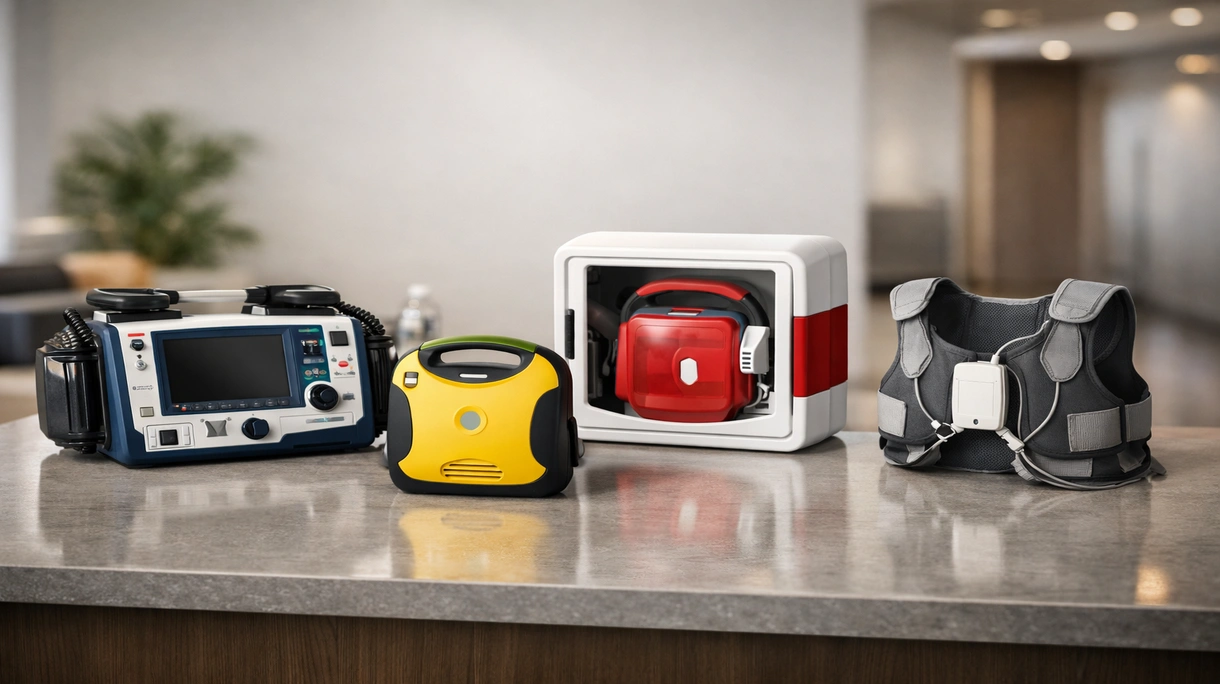
4 Criteria to choose your external defibrillator
Biphasic Waveform Efficiency
High-energy efficacy ensures lower myocardial damage while improving conversion rates in high-impedance patients during critical cardiac arrest scenarios.
IP Rating and Durability
High ingress protection ensures reliability in harsh emergency environments, minimizing moisture-related component failure and reducing long-term maintenance costs.
Data Integration Capabilities
Seamless Wi-Fi or cellular connectivity facilitates immediate post-event data transmission to hospital electronic health records for clinical audit.
Ownership Maintenance Costs
Long battery shelf life and inexpensive electrodes reduce the total cost of ownership while ensuring constant device readiness.
Available technologies and advantages
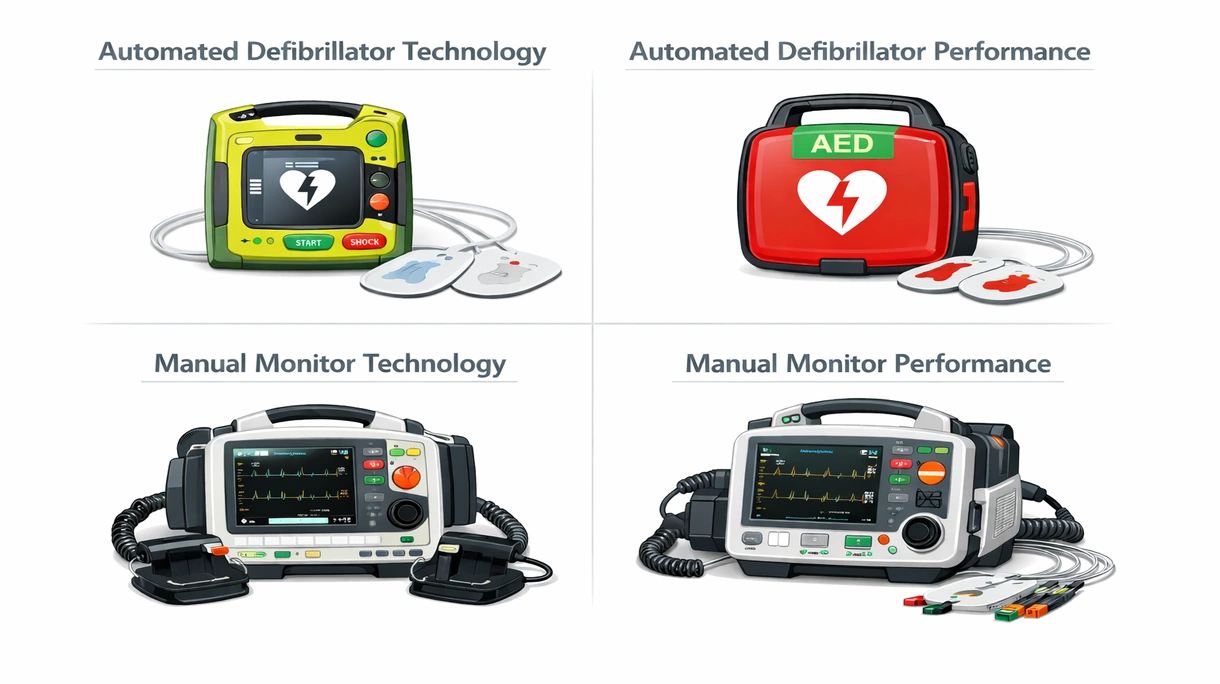
Automated Defibrillator Technology
AED units prioritize automated rhythm analysis and user safety features for non-professionals, contrasting with manual units that require clinical interpretation.
Automated Defibrillator Performance
These systems provide immediate public accessibility but lack manual overrides, trading comprehensive clinical control for simplified operation by non-medical personnel.
Manual Monitor Technology
Manual monitors offer full diagnostic ECG monitoring and variable energy selection, providing greater clinical control than basic automated external devices.
Manual Monitor Performance
These units provide total clinical control but require intensive training, trading simplified operation for the advanced diagnostic capabilities needed in hospitals.
6 expert tips
Prioritize devices meeting the latest MDR or FDA premarket approval standards to ensure long-term regulatory compliance and safety.
Evaluate the availability of universal electrode pads to simplify inventory management and reduce recurring consumable costs across departments.
Select models featuring integrated real-time CPR feedback to improve chest compression depth and rate for better patient outcomes.
Verify that the clinical data management software integrates directly with existing hospital electronic medical record systems for documentation.
Assess the battery lifecycle and replacement costs to determine the total operational budget required over the device lifespan.
Always verify the technical certification to ensure compliance with local building safety standards and long-term durability.
Innovations and Trends
Cloud-based systems track battery status and electrode expiration across multiple locations, reducing manual inspection labor and maintenance costs.
Intelligent pads automatically detect pediatric patients, adjusting energy levels without manual attenuator keys, enhancing treatment speed and safety.
Devices now offer immediate language switching to support diverse operator demographics in international transit hubs or multilingual clinical environments.
Real-time ECG streaming from the field to the emergency department enables faster preparation for incoming cardiac arrest patients.
*Prices are pre-tax. They exclude delivery charges and customs duties and do not include additional charges for installation or activation options. Prices are indicative only and may vary by country, with changes to the cost of raw materials and exchange rates.
About MedicalExpo
MedicalExpo is a marketplace that offers B2B players a complete experience, from product sourcing to purchase. MedicalExpo is an entity of VirtualExpo Group.
Are you a buyer?
Are you a supplier?