
- Home page
- buying guide
- hematology analyzer
hematology analyzer
hematology analyzer: A technical guide
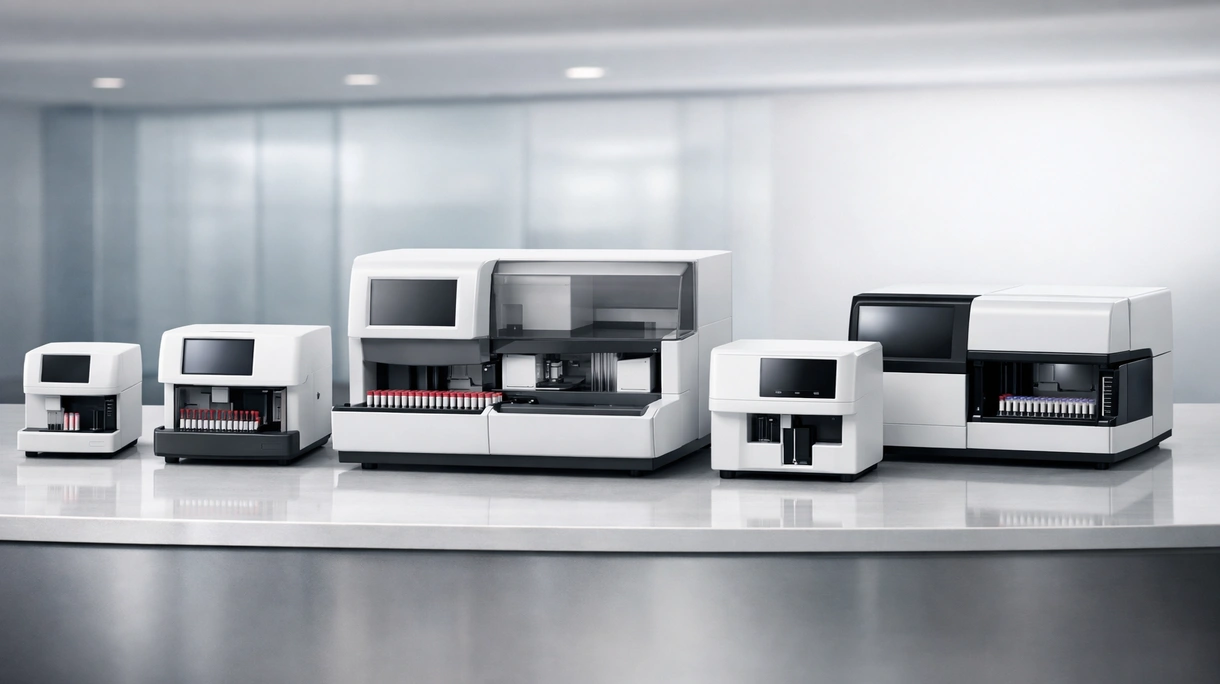
4 Criteria to choose your hematology analyzer
Cell differentiation sensitivity
High precision in cell differentiation ensures accurate pathology detection while reducing manual slide review rates in high volume clinical laboratories.
Sample throughput capacity
Rapid processing of samples per hour optimizes laboratory workflow efficiency and meets critical turnaround time requirements for emergency departments.
Operational reagent costs
Total cost of ownership depends on reagent consumption rates and maintenance frequency affecting long term operational budgets for healthcare facilities.
Middleware connectivity standards
Seamless bidirectional connectivity and advanced middleware support automated data management while ensuring full compliance with international medical standards.
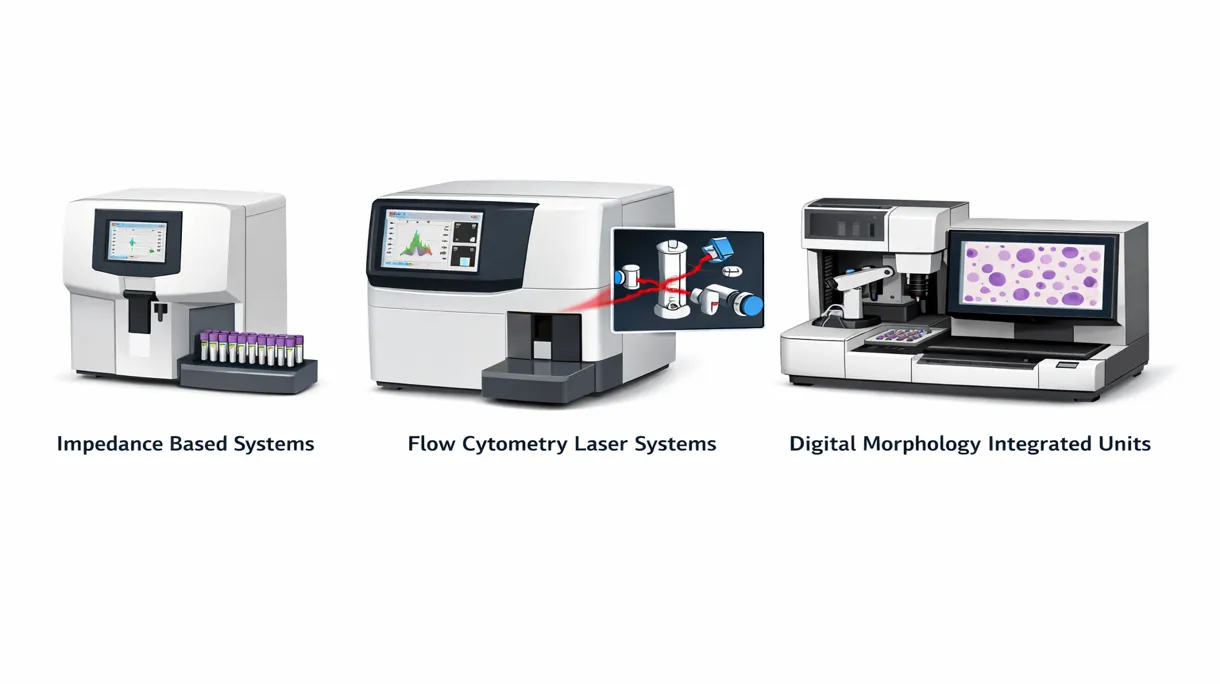
Available technologies and advantages
Impedance based differential systems
These utilize electrical impedance to categorize white blood cells into distinct populations based primarily on individual cell volume. They offer cost effective routine screening for small clinics.
Flow cytometry laser systems
Advanced laser light scattering enables precise identification of neutrophils, lymphocytes, monocytes, eosinophils, and basophilic cell populations. This provides comprehensive diagnostic data necessary for secondary care centers.
Digital morphology integrated units
Integrated units automate smear preparation and staining to standardize the qualitative assessment of abnormal cell structures. This reduces reliance on manual microscopy while improving diagnostic reproducibility in laboratories.
6 expert tips
Prioritize systems with high sensitivity for abnormal cell flagging to minimize manual slide reviews and optimize diagnostic workflow efficiency.
Select analyzers with comprehensive middleware integration to ensure seamless data transfer between the laboratory and hospital information systems.
Evaluate the reagent consumption and maintenance costs to achieve a sustainable total cost of ownership over the instrument lifespan.
Invest in platforms with automated quality control features to maintain rigorous clinical standards and reduce daily manual calibration tasks.
Choose modular configurations that allow for future throughput expansion as clinical testing volumes increase within the facility.
Always verify the technical certification to ensure compliance with local building safety standards and long-term durability.
Innovations and Trends
Improves abnormal cell recognition and reduces manual slide review rates through advanced digital imaging and pattern algorithms.
Include immature granulocyte counts to assist in the early detection of sepsis within emergency department settings.
Allows for accurate complete blood counts using ultra low volume samples from pediatric or geriatric patients.
Enables manufacturers to provide proactive maintenance and performance optimization for analyzers distributed across large hospital networks.
*Prices are pre-tax. They exclude delivery charges and customs duties and do not include additional charges for installation or activation options. Prices are indicative only and may vary by country, with changes to the cost of raw materials and exchange rates.
About MedicalExpo
MedicalExpo is a marketplace that offers B2B players a complete experience, from product sourcing to purchase. MedicalExpo is an entity of VirtualExpo Group.
Are you a buyer?
Are you a supplier?