
- Home page
- buying guide
- tonometer
tonometer
tonometer: A technical guide
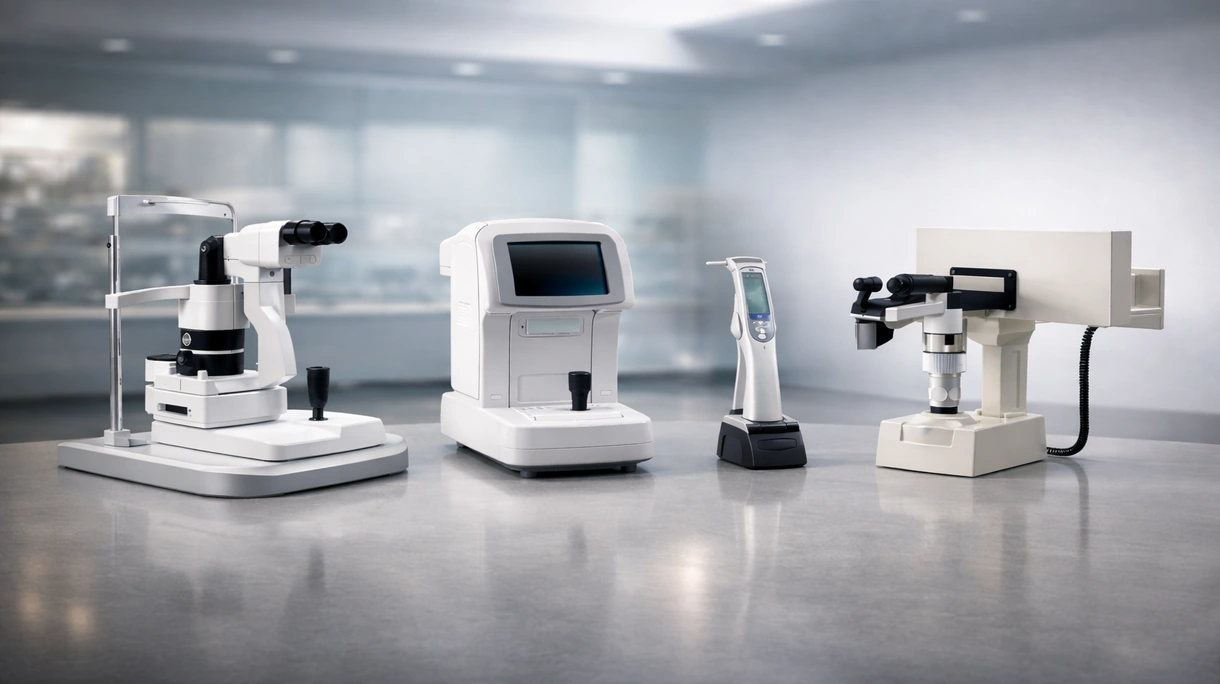
4 Criteria to choose your tonometer
Measurement Accuracy and Precision
Clinical reliability ensures correct glaucoma screening and management while meeting strict ISO standards for gold-standard correlation in diverse patient populations.
Patient Comfort and Compliance
Non-contact or minimally invasive interfaces reduce patient anxiety and corneal trauma risk, facilitating repeated diagnostic tests in busy practices.
Calibration and Maintenance Needs
Automated self-calibration features minimize clinical downtime and ensure longitudinal data integrity across multiple users within the healthcare facility infrastructure.
Data Integration Capabilities
Seamless digital connectivity allows for immediate electronic record updates, enhancing workflow efficiency and supporting comprehensive longitudinal analysis for clinics.
Available technologies and advantages
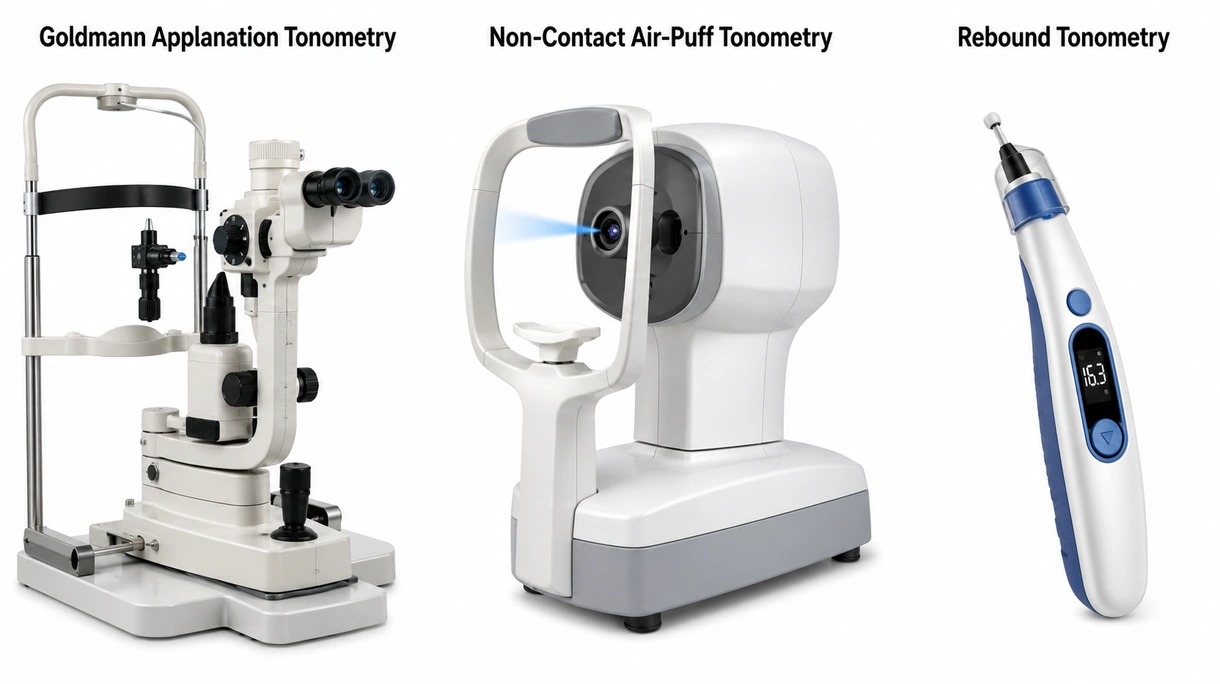
Goldmann Applanation Tonometry
This clinical gold standard uses a biprism to measure the force required to flatten a fixed area of the corneal surface. It offers highest precision but requires topical anesthesia and direct corneal contact, posing infection risks and necessitating intensive probe disinfection protocols.
Non-Contact Air-Puff Tonometry
Systems utilize a rapid air pulse to deform the cornea, measuring intraocular pressure through an advanced electro-optical detection sensor without contact. These devices eliminate cross-contamination and the need for anesthesia, though they may lack accuracy at extreme pressure ranges or specific thicknesses.
Rebound Tonometry
A lightweight magnetized probe makes momentary contact with the cornea, calculating intraocular pressure based on the deceleration speed upon impact with tissue. It is highly portable and patient-friendly without requiring anesthetic drops, yet consumable probe costs increase the long-term operational budget for facilities.
6 expert tips
Prioritize devices with integrated corneal pachymetry to ensure intraocular pressure readings are corrected for central corneal thickness variations.
Select models featuring automated alignment and tracking systems to reduce operator-dependent variability and enhance diagnostic throughput in clinics.
Invest in systems offering comprehensive digital record integration to automate documentation and mitigate risks associated with manual data entry errors.
Evaluate the total cost of ownership including specialized consumables and mandatory annual calibration services to maintain clinical certification standards.
Choose equipment compliant with the latest medical regulations and safety standards to ensure long-term clinical safety and legal market standing.
Always verify the technical certification to ensure compliance with local building safety standards and long-term durability.
Innovations and Trends
Integration of artificial intelligence algorithms to predict glaucoma progression based on historical intraocular pressure data and corneal hysteresis.
Development of continuous monitoring contact lenses providing comprehensive pressure profiles beyond isolated office-hour measurements for better treatment outcomes.
Implementation of cloud-based tele-ophthalmology platforms enabling remote patient monitoring and immediate physician intervention for high-risk surgical recovery cases.
Enhancement of ergonomic handheld designs using wireless connectivity for specialized pediatric or bedridden patient assessments in acute care settings.
*Prices are pre-tax. They exclude delivery charges and customs duties and do not include additional charges for installation or activation options. Prices are indicative only and may vary by country, with changes to the cost of raw materials and exchange rates.
About MedicalExpo
MedicalExpo is a marketplace that offers B2B players a complete experience, from product sourcing to purchase. MedicalExpo is an entity of VirtualExpo Group.
Are you a buyer?
Are you a supplier?