
- Home page
- buying guide
- medical endoscope
medical endoscope
medical endoscope: A technical guide
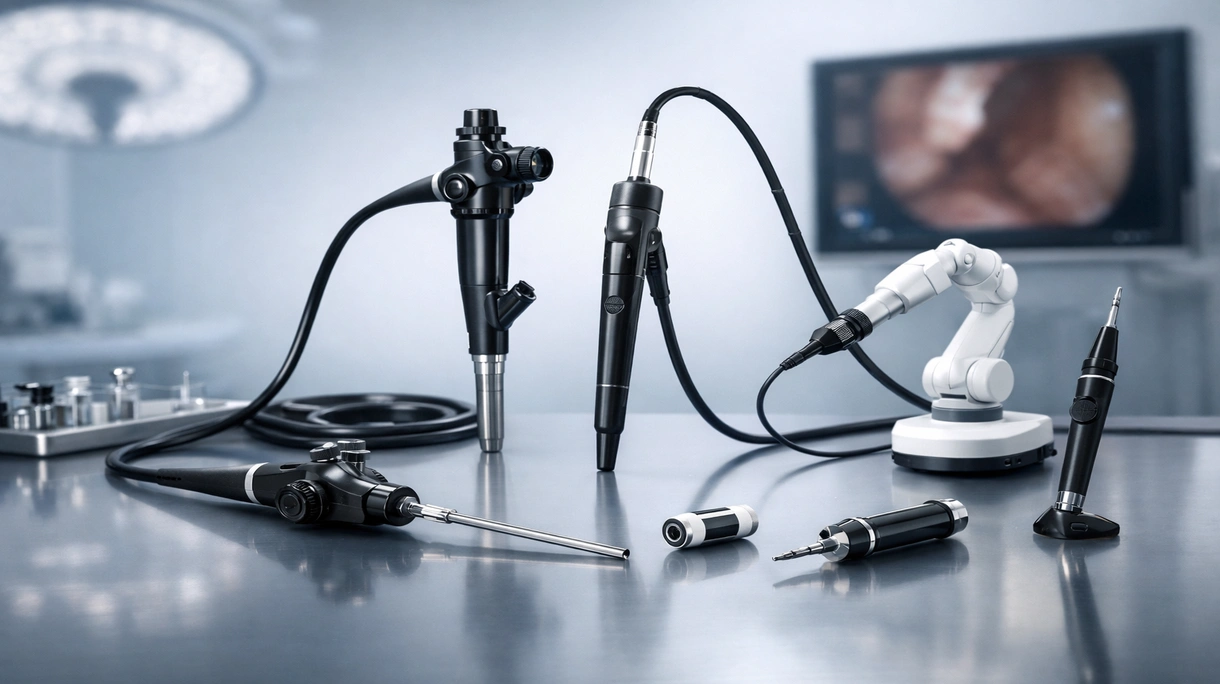
4 Criteria to choose your medical endoscope
High-Resolution Imaging Quality
High pixel density and CMOS sensors ensure diagnostic accuracy by visualizing mucosal details and vascular patterns during clinical procedures.
Reprocessing Compatibility Standards
Durable materials must withstand rigorous chemical disinfection or steam sterilization cycles to prevent cross-contamination and ensure patient safety.
Ergonomic Insertion Tube Maneuverability
Optimal flexibility and torque transmission reduce physician fatigue and minimize patient discomfort while navigating complex anatomical structures effectively.
Integrated Ecosystem Connectivity
Seamless DICOM integration and video management software streamline surgical workflows and clinical documentation for multidisciplinary hospital data sharing.
Available technologies and advantages
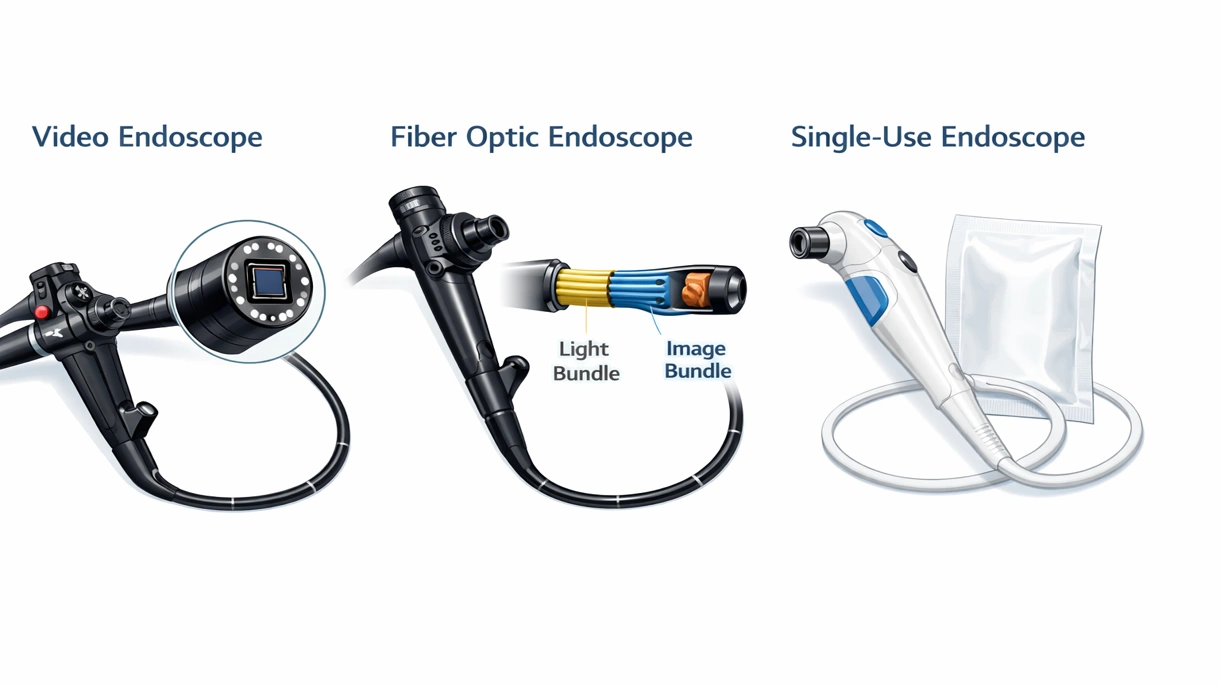
Video Endoscopes
High-performance CMOS sensors convert light signals into digital data directly at the distal tip for superior image processing and clarity. These systems provide excellent resolution but require high capital investment in processors.
Fiber Optic Endoscopes
Flexible glass fibers transmit images from the distal lens to the eyepiece through physical light reflection and optical refraction. While highly portable and cost-effective, they suffer from lower resolution and pixelation issues.
Single-Use Endoscopes
Sterile disposable devices eliminate reprocessing costs and cross-contamination risks while providing consistent performance for specific high-risk clinical applications. These devices reduce logistical burdens but present higher per-procedure costs for hospitals.
6 expert tips
Verify that the endoscope system integrates seamlessly with existing hospital DICOM and PACS infrastructures to optimize clinical data management.
Prioritize vendors offering comprehensive service contracts that include preventative maintenance and rapid loaner equipment exchange to ensure operational uptime.
Evaluate the total cost of ownership by calculating chemical reprocessing expenses versus the initial acquisition price of disposable alternatives.
Select devices with ergonomic handle designs to reduce repetitive strain injuries for surgeons during lengthy diagnostic or therapeutic interventions.
Ensure the insertion tube diameter matches the specific clinical requirements of the intended patient population to improve procedural outcomes.
Conduct on-site clinical trials to assess the intuitive nature of control interfaces before committing to large-scale fleet procurement.
Always verify the technical certification to ensure compliance with local building safety standards and long-term durability.
Innovations and Trends
Machine learning algorithms enhance lesion detection and characterization during real-time procedures, significantly improving diagnostic accuracy and clinical outcomes.
Superior resolution provides surgeons with unprecedented anatomical detail, facilitating precise tissue dissection and reducing surgical risks during interventions.
Computerized guidance improves the precision of endoscope positioning, allowing for more stable visualization and complex therapeutic maneuvers.
Specialized light filtering highlights vascular structures without dyes, aiding in the early detection of cancerous mucosal changes.
*Prices are pre-tax. They exclude delivery charges and customs duties and do not include additional charges for installation or activation options. Prices are indicative only and may vary by country, with changes to the cost of raw materials and exchange rates.
About MedicalExpo
MedicalExpo is a marketplace that offers B2B players a complete experience, from product sourcing to purchase. MedicalExpo is an entity of VirtualExpo Group.
Are you a buyer?
Are you a supplier?