
- Home page
- buying guide
- mobility walker
mobility walker
mobility walker: A technical guide
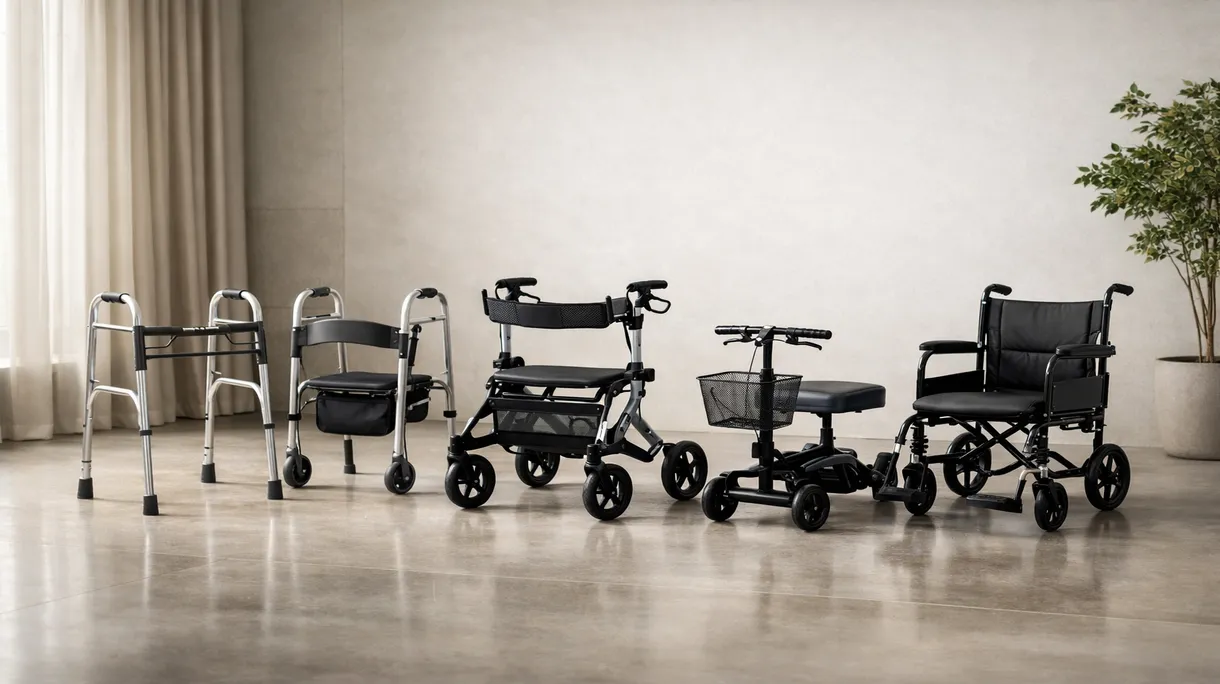
4 Criteria to choose your mobility walker
Structural Load Capacity Stability
Ensuring frame integrity matches patient weight ratings prevents mechanical failure during high-stress bariatric mobilization maneuvers in clinical settings.
Braking System Responsiveness Control
Certified locking mechanisms and hand-operated friction controls are vital for maintaining patient safety during transitions and supervised gait exercises.
Anatomical Ergonomic Adjustment Range
Customizable height settings and grip orientations promote correct postural alignment while reducing secondary musculoskeletal strain during prolonged mobilization sessions.
Hospital Grade Infection Prevention
Non-porous surfaces and seamless frame construction allow for rapid chemical disinfection according to strict acute care hygiene protocols.
Available technologies and advantages
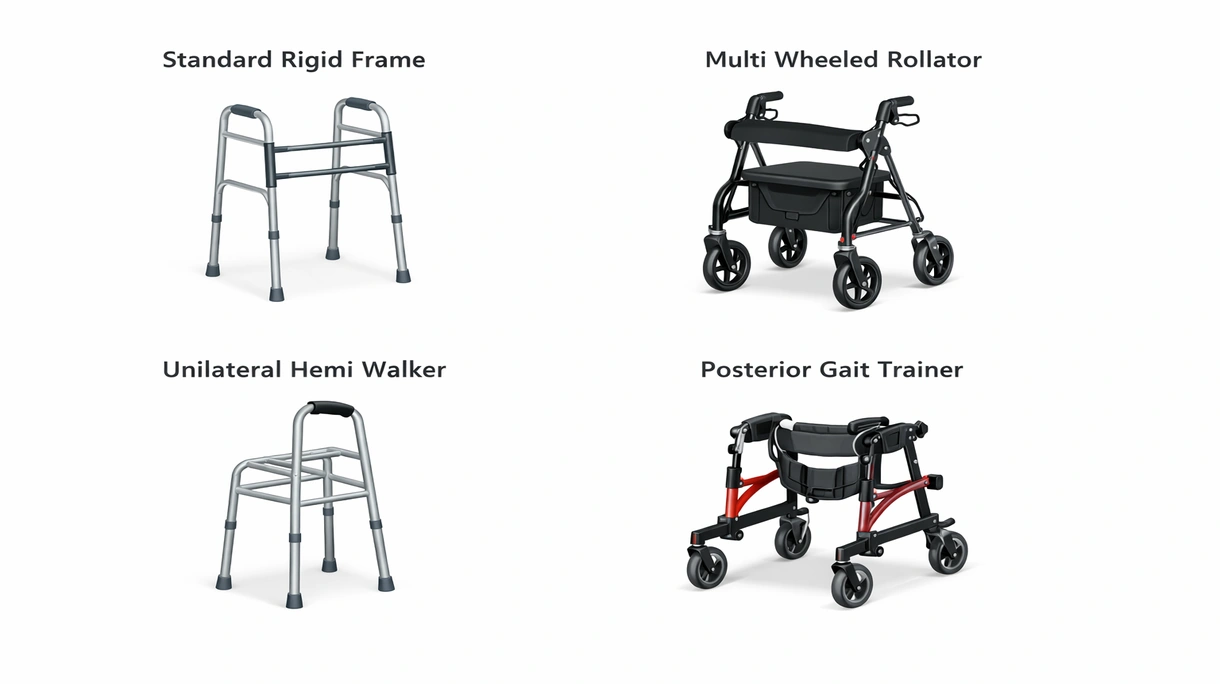
Standard Rigid Frames
These wheel-less designs offer maximum static stability for initial mobilization phases. Advantages include safety; limitations involve slow speed; trade-off balances stability against gait fluidity.
Multi Wheeled Rollators
Integrating braking systems and swivel wheels, these facilitate continuous movement. Advantages include endurance; limitations involve lower stability; trade-off balances mobility against fall risk.
Unilateral Hemi Walkers
Specialized for stroke recovery, these provide a wide support base for one-handed use. Advantages include targeted therapy; limitations involve asymmetry; trade-off balances specificity against versatility.
Posterior Gait Trainers
Designed for upright alignment, these support users from behind during intensive therapy. Advantages include postural correction; limitations include bulkiness; trade-off balances biomechanics against maneuverability.
6 expert tips
Prioritize models with FDA Class Two or European Medical Device Regulation certification to ensure compliance with international safety standards.
Select bariatric-rated frames for high-traffic facilities to accommodate diverse patient demographics while reducing long-term equipment replacement procurement costs.
Evaluate total cost of ownership by calculating the availability of standardized replacement components for wheels and braking cable systems.
Verify folding mechanism durability through cycle testing data to ensure space-saving storage in multi-patient clinical wards or transport vehicles.
Implement standardized antimicrobial coatings on high-touch grip surfaces to mitigate hospital-acquired infections across the broader rehabilitation facility environment.
Source units with integrated oxygen tank holders to support patients requiring continuous respiratory therapy during supervised therapeutic mobilization exercises.
Always verify the technical certification to ensure compliance with local building safety standards and long-term durability.
Innovations and Trends
Integrated sensors provide real-time biomechanical data to clinicians for precise monitoring of patient rehabilitation progress and recovery outcomes.
Advanced composite materials significantly reduce total equipment weight while maintaining high structural load capacities for improved patient handling.
Floor-projected visual markers assist neurological patients in overcoming freezing of gait during daily ambulation within clinical environments.
Integrated electronic systems enhance patient safety by notifying nursing staff immediately during unsupervised mobilization incidents or sudden balance loss.
*Prices are pre-tax. They exclude delivery charges and customs duties and do not include additional charges for installation or activation options. Prices are indicative only and may vary by country, with changes to the cost of raw materials and exchange rates.
About MedicalExpo
MedicalExpo is a marketplace that offers B2B players a complete experience, from product sourcing to purchase. MedicalExpo is an entity of VirtualExpo Group.
Are you a buyer?
Are you a supplier?