


- Laboratory
- Laboratory infrastructure
- Decontamination transfer hatch
- TIMOTEC Reinraumtechnik a.s.
Decontamination pass box VHPfor cleanroomshydrogen peroxide

Add to favorites
Compare this product
Characteristics
- Options
- for cleanrooms, decontamination, hydrogen peroxide
Description
Product overview
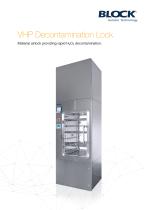
This device enables safe, controlled transfer of materials between cleanrooms of different cleanliness classes while minimising the risk of cross-contamination.
Decontamination system based on VHP
The unit integrates a decontamination process based on vaporised hydrogen peroxide (VHP) to inactivate microorganisms on surfaces of transferred items, providing a validated high level of sterilisation.
VHP delivery via external hydrogen peroxide vapor generator
Decontamination is supplied from an external hydrogen peroxide vapor generator (e.g. Puriter) located outside the pass box, typically in a technical room or non-classified area. VHP is conveyed through a dedicated pipeline to ceiling nozzles that distribute the vapor evenly throughout the interior. Contaminated air is extracted via exhaust outlets connected to the facility HVAC system.
Maximum protection against escape of biologically active materials
The VHP Pass Box features tight-closing inlet and outlet doors with inflatable pneumatic seals to prevent release of biologically active materials in gaseous, liquid or solid form, ensuring containment between zones.
Tight-closing doors with inflatable pneumatic seal
Doors are designed for safe separation of rooms with different pressure regimes. Activation is controlled by a signal that engages the magnetic lock and inflates the perimeter pneumatic seal, creating an airtight closure. The seal remains pressurised until a separate control signal vents the seal and unlocks the door, allowing opening.
Characteristics / technical specifications
This device enables safe, controlled transfer of materials between cleanrooms of different cleanliness classes while minimising the risk of cross-contamination.
Decontamination system based on VHP
The unit integrates a decontamination process based on vaporised hydrogen peroxide (VHP) to inactivate microorganisms on surfaces of transferred items, providing a validated high level of sterilisation.
VHP delivery via external hydrogen peroxide vapor generator
Decontamination is supplied from an external hydrogen peroxide vapor generator (e.g. Puriter) located outside the pass box, typically in a technical room or non-classified area. VHP is conveyed through a dedicated pipeline to ceiling nozzles that distribute the vapor evenly throughout the interior. Contaminated air is extracted via exhaust outlets connected to the facility HVAC system.
Maximum protection against escape of biologically active materials
The VHP Pass Box features tight-closing inlet and outlet doors with inflatable pneumatic seals to prevent release of biologically active materials in gaseous, liquid or solid form, ensuring containment between zones.
Tight-closing doors with inflatable pneumatic seal
Doors are designed for safe separation of rooms with different pressure regimes. Activation is controlled by a signal that engages the magnetic lock and inflates the perimeter pneumatic seal, creating an airtight closure. The seal remains pressurised until a separate control signal vents the seal and unlocks the door, allowing opening.
Characteristics / technical specifications
- Purpose: Controlled transfer of materials between cleanrooms with different cleanliness classes
- Decontamination method: Vaporised hydrogen peroxide (VHP)
- VHP source: External hydrogen peroxide vapor generator (e.g. Puriter) installed outside the pass box
- VHP delivery: Dedicated pipeline to ceiling nozzles for even vapor distribution inside the box
- Air extraction: Exhaust outlets connected to facility HVAC system
- Doors: Inlet and outlet tight-closing doors with inflatable pneumatic seals
- Door locking: Magnetic lock activated by control signal; pneumatic seal inflates to ensure airtight closure
- Seal release: Controlled by separate control signal which vents the seal and unlocks the door
- Containment: Prevents escape of biologically active materials (gaseous, liquid or solid)
Catalogs


Related Searches
- Sterile isolator
- Floor-mounted isolator
- Pass-through
- Containment isolator
- Pharmaceutical laboratory isolator
- Isolation chamber with HEPA filter
- Cleanroom pass box
- Negative pressure isolation chamber
- Stainless steel isolator
- Laminar flow isolator
- Positive pressure isolation chamber
- Decontamination pass box
- Production isolator
- Isolator with LED light
- Weighing area isolator
- Filling isolator
- Flexible isolator
- Sampling isolator
- Sterility testing isolator
- Class II isolator
*Prices are pre-tax. They exclude delivery charges and customs duties and do not include additional charges for installation or activation options. Prices are indicative only and may vary by country, with changes to the cost of raw materials and exchange rates.
About MedicalExpo
MedicalExpo is a marketplace that offers B2B players a complete experience, from product sourcing to purchase. MedicalExpo is an entity of VirtualExpo Group.
Are you a buyer?
Are you a supplier?