

- Dental
- Dental instrument
- Dental laboratory burr
- Komet Dental
Dental laboratory burr UM tungsten carbidecutting

Add to favorites
Compare this product
Characteristics
- Applications
- for dental laboratories
- Material
- tungsten carbide
- Function
- cutting
- Length
Max.: 13 mm
(0.5 in)Min.: 3 mm
(0.1 in)
Description
The processing of metallic alloys is often part of day-to-day work in dental laboratories and represents a fascinating mixture of craftsmanship and technology. Metallic objects may be cast, CAD/CAM-milled or printed using the SLM process, but manual finishing is always necessary.
Working with metal alloys – whether precious metals, non-precious metals or titanium – requires a high degree of precision and expertise. Each alloy has its own properties and has to be processed accordingly.
Heavy metal: Although work on metal can be demanding, it can be done efficiently with the right tools. Modern rotary tools enable precise and efficient machining of metal alloys.
Work on restorations made of precious metal alloys has to be carried out in a gentle, yet effective way in order to create a fine surface finish. Cutters with UM toothing combine three different types of toothing in one instrument.
The blade geometry runs smoothly and puts less strain on the user’s wrist, so that there is no fatigue even after a long working day. The sharp, shadow-free blades made of fine-grained, high-density tungsten carbide ensure a long tool life.
There is a multitude of geometries to choose from, so that everyone will find their favorite cutter for finishing precious-metal alloy restorations.
Catalogs

Komet Dental Katalog 2026
717 Pages
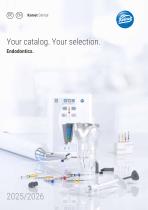
Endodontics
100 Pages
Other Komet Dental products
Dental Laboratory


Related Searches
- Dental surgery surgical set
- Dental bur
- Diamond bur
- Cutting bur
- Micromotor
- Electric micromotor
- Metal burr
- Polishing burr
- Ultrasonic insert
- Endodontic file
- Root canal treatment endodontic file
- Piezoelectric ultrasonic insert
- Grinding bur
- Tungsten carbide bur
- Rotary endodontic file
- Finishing bur
- Dental excavator
- Dental laboratory bur
- NiTi endodontic file
- Ball bur
*Prices are pre-tax. They exclude delivery charges and customs duties and do not include additional charges for installation or activation options. Prices are indicative only and may vary by country, with changes to the cost of raw materials and exchange rates.