

- Laboratory
- Laboratory medicine
- Rapid leishmaniasis test
- Hangzhou Antigenne Technology Co. Ltd

- Company
- Products
- Catalogs
- News & Trends
- Exhibitions
Rapid leishmaniasis test SaberVet C.LSH Abveterinaryfor caninesfor antibodies


Add to favorites
Compare this product
Characteristics
- Applications
- leishmaniasis
- Application field
- veterinary
- Patient type
- for canines
- Tested parameter
- for antibodies
- Micro-organism
- Leishmania
- Sample type
- serum, plasma, whole blood
- Analysis mode
- lateral flow
- Format
- cassette
- Other characteristics
- self-test
- Specificity
98.8 %
- Sensitivity
99 %
Description
SaberVet Canine Leishmania Antibody Rapid Test
The SaberVet Canine Leishmania Antibody Rapid Test sold by Antigenne is a lateral flow immunoassay intended for the qualitative detection of specific antibody from canine Leishmania (C.LSH) in canine serum, plasma or whole blood samples. The test is useful for determination of C.LSH infection.It is recommended for dogs with weight loss, polyuria, polydipsia, muscle atrophy, depression, vomiting, diarrhea and other symptoms.
Description
Pathological Introduction
Transmission and Infection Canine Leishmania (Leishmania spp.) is a parasitic protozoan parasite that is transmitted primarily after the the bite of sandflies (Phlebotomus spp.). Dogs are one of the main hosts of Leishmania spp. Leishmania spp. reproduce in macrophages in dogs and cause canine leishmaniasis (Leishmaniasis).
Pathologic process Following Leishmania infection, the protozoa proliferate within macrophages in dogs, causing cell rupture and release of the protozoa, which then infect additional cells. Major pathologic changes include: Cutaneous type: manifests as skin ulcers, alopecia, skin nodules and ulceration. Visceral form: causes systemic disease involving several internal organs such as the liver, spleen, lymph nodes and bone marrow.
Clinical symptoms Skin symptoms: hair loss, skin ulcers, increased dandruff, skin nodules and itching. Systemic symptoms: weight loss, loss of appetite, weakness, fever, enlarged lymph nodes, enlarged liver and spleen. Other symptoms: joint pain, swollen limbs, eye inflammation (e.g., conjunctivitis, keratitis).
Means of detection
Clinical diagnosis Based on clinical signs and history, especially in areas where sandflies are endemic, veterinarians may suspect canine leishmaniasis, but definitive diagnosis requires laboratory testing.
Laboratory tests
Direct testing Microscopic examination: by puncture biopsy of the skin, lymph nodes, bone marrow or spleen, stained and then observed under the microscope for Leishmania protozoa. This method is intuitive but requires an experienced technician.
Serologic testing Enzyme-linked immunosorbent assay (ELISA): detects antibodies against Leishmania protozoa in canine serum with high sensitivity and specificity. Indirect immunofluorescence assay (IFA): detects antibody binding by fluorescence microscopy and is also a commonly used serologic method.
Molecular assay Polymerase Chain Reaction (PCR): detects Leishmania protozoa DNA in samples and is the most sensitive and specific method available for blood, bone marrow and skin tissue samples.
Culture The puncture sample is cultured in a specific medium, which provides an accurate diagnosis, although the incubation time is longer.
Treatment Options
Medications The main drugs used to treat canine leishmaniasis are antiprotozoal drugs and immunomodulatory drugs, which are commonly used and include:
Antiprotozoal drugs Pentavalent antimony compounds (e.g., sodium antimony gluconate): are traditionally used in the treatment of leishmaniasis, but have some toxicity. Miltefosine (Miltefosine): an oral drug that is more effective but has some side effects. Amphotericin B (Amphotericin B): used in refractory cases, with remarkable efficacy, but needs to pay attention to nephrotoxicity.
Immunomodulatory drugs Benzimidazoles (e.g., metronidazole): assist antiprotozoal therapy by modulating the immune response.
Supportive therapy Nutritional support: provide a high-quality, high-protein diet to maintain the dogs strength and immune function. Symptomatic treatment: use painkillers, anti-inflammatory drugs, antibiotics (to prevent secondary infections) and other drugs to relieve clinical symptoms. Preventive measures
Prevent whitefly bites Use insect repellents (e.g. collars or drops containing imidacloprid, permethrin). Avoid dogs outside during peak whitefly activity (dusk and nighttime).
Environmental Management
Keep the environment in which dogs live clean to minimize whitefly breeding sites. Use mosquito nets, screens and repellent sprays indoors to minimize lacewing invasion.
Regular Health Checks
Conduct regular Leishmania protozoa testing in endemic areas for early detection and treatment of infection.
Summarize
Leishmania canis is a serious parasitic protozoan that causes canine leishmaniasis, which poses a major health threat to dogs. Leishmaniasis can be accurately diagnosed by combining clinical signs with laboratory testing. Although treatment is difficult and requires long-term medication, effective medication and supportive care can control the disease and improve a dogs quality of life. Preventive measures such as protection from lacewing bites and environmental management are essential to control and prevent the spread of leishmaniasis. The ITGEN Pet Rapid Test Kit, the pioneer in animal diagnostics. Our innovative technology and rapid diagnostic products create accurate and timely health protection for your pets health.
The SaberVet Canine Leishmania Antibody Rapid Test sold by Antigenne is a lateral flow immunoassay intended for the qualitative detection of specific antibody from canine Leishmania (C.LSH) in canine serum, plasma or whole blood samples. The test is useful for determination of C.LSH infection.It is recommended for dogs with weight loss, polyuria, polydipsia, muscle atrophy, depression, vomiting, diarrhea and other symptoms.
Description
Pathological Introduction
Means of detection
Laboratory tests
Treatment Options
Environmental Management
Keep the environment in which dogs live clean to minimize whitefly breeding sites. Use mosquito nets, screens and repellent sprays indoors to minimize lacewing invasion.
Regular Health Checks
Conduct regular Leishmania protozoa testing in endemic areas for early detection and treatment of infection.
Summarize
Leishmania canis is a serious parasitic protozoan that causes canine leishmaniasis, which poses a major health threat to dogs. Leishmaniasis can be accurately diagnosed by combining clinical signs with laboratory testing. Although treatment is difficult and requires long-term medication, effective medication and supportive care can control the disease and improve a dogs quality of life. Preventive measures such as protection from lacewing bites and environmental management are essential to control and prevent the spread of leishmaniasis. The ITGEN Pet Rapid Test Kit, the pioneer in animal diagnostics. Our innovative technology and rapid diagnostic products create accurate and timely health protection for your pets health.
VIDEO
Catalogs
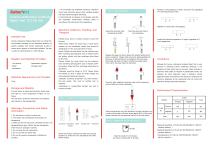
Other Hangzhou Antigenne Technology Co. Ltd products
Canine Rapid Test


Related Searches
- Assay kit
- Blood assay kit
- Serum assay kit
- Immunoassay assay kit
- Rapid lateral flow test
- Plasma assay kit
- Blood rapid diagnostic test
- Cassette rapid diagnostic test
- Rapid immunologic test
- Serum rapid diagnostic test
- Plasma rapid diagnostic test
- Virus rapid diagnostic test
- Whole blood rapid diagnostic test
- Infectious disease rapid diagnostic test
- Optical assay kit
- Cassette assay kit
- Rapid respiratory infection test
- Urine rapid screening test
- Bacteria rapid diagnostic test
- Strip rapid diagnostic test
*Prices are pre-tax. They exclude delivery charges and customs duties and do not include additional charges for installation or activation options. Prices are indicative only and may vary by country, with changes to the cost of raw materials and exchange rates.
About MedicalExpo
MedicalExpo is a marketplace that offers B2B players a complete experience, from product sourcing to purchase. MedicalExpo is an entity of VirtualExpo Group.
Are you a buyer?
Are you a supplier?